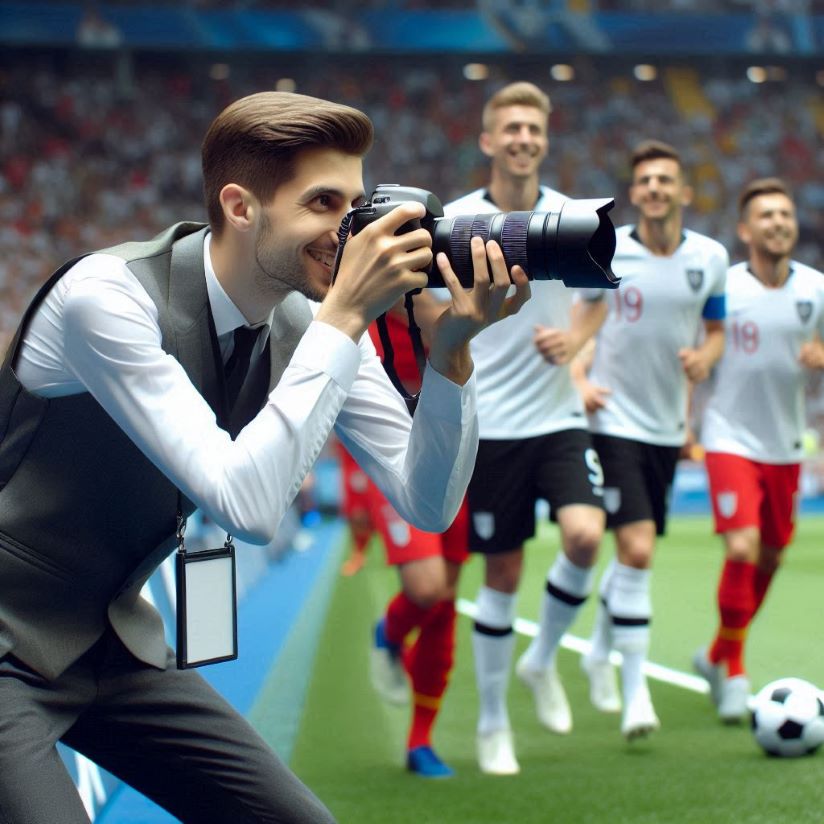
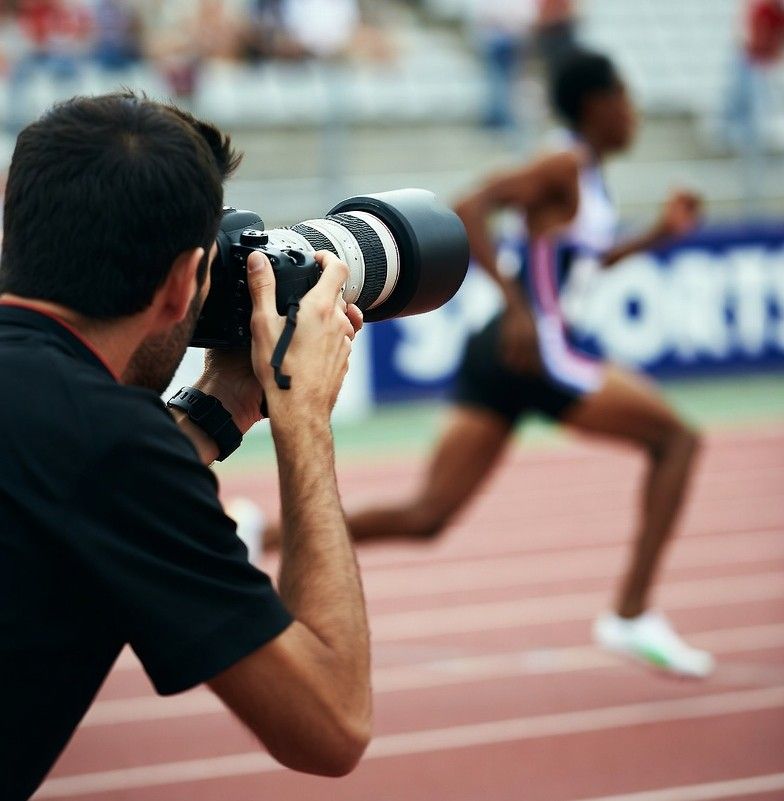
Every second counts in sports photography. A runner’s foot just leaving the starting block, a pitcher’s arm at full extension, a defender flying through the air, these are the moments that define a game and make great photographs unforgettable.
For aspiring photographers, mastering timing and composition can feel like chasing lightning. That is where watching high-quality live sports can help sharpen instincts. Platforms like Sports Broadcasting (스포츠중계) bring games from the English Premier League, Major League Baseball, and the NBA right to your screen, offering endless real-time action to observe. Studying motion, replaying key frames, and anticipating peak moments can build the instincts needed for great action shots, even if you’re simply watching from home.
Stunning sports photography is anchored in two elements that both pros and enthusiasts obsess over: timing and composition. Professionals spend years honing these skills, but anyone can start developing them by watching athletes in motion. Live sports help train anticipation, teaching you how to read player movements and game flow so you recognize the build-up to that perfect instant. When you can predict the action, you are better prepared to click the shutter at exactly the right time.
Train Your Eye With Live Action
Watching live games closely is an active process. You watch pattern and rhythm. You see how a basketball player dribbles into a jump shot. You note how a footballer positions the ball for a pass. You watch the ball’s arc as a baseball hitter connects with it. These repeated visual lessons build understanding.
One way to make this practice work for photography is to pause and rewind. As a sequence unfolds, freeze the frame and study how players and objects are arranged. This is frame analysis. With each replay, you get a clearer sense of how shapes and lines work together in motion. These are the same concepts that determine strong composition in photography, where balance and tension guide the viewer’s eye around a picture.
Understand Motion and Framing
Motion can make or break a photograph. Too much blur and the image looks messy. Too little and you lose the sense of speed. By watching fast-paced sports, you can start to see how athletes move through space. This awareness builds muscle memory for choosing shutter speed and framing in your own shooting.
Replays are a gold mine. When a broadcaster shows slow motion or instant replay, you get extra time to observe the sequence. Notice how the ball travels. Notice the athletes’ limbs at each fraction of a second. Study how the camera zooms and reframes in live coverage. These decisions are instructive. They reveal what a professional broadcaster considers the most engaging angle or the most dynamic moment in a play.
Screen Captures as Practice
You can take this even further by making screen captures of key moments. Save the frames that stand out, a diving catch, a powerful sprint, a dramatic tackle. Then, review them later as you would a portfolio. Ask yourself questions about each image: Is the subject clearly visible? Does the background distract? Is there space in front of the athlete’s movement? How could the crop be tighter?
This kind of practice is valuable. It builds your visual vocabulary. You begin to “see” the decisive moment before it happens. You also start to recognize patterns and anticipate the peak of action. These insights translate directly to live shooting in the field, where you often have only one chance to get the shot.
Anticipation Translates to the Field
The rhythms of sport, the ebb and flow of play, offer repeated opportunities to practice anticipation. Skilled photographers often talk about pre‑visualization, imagining the image before it unfolds. Watching games helps train that skill, because you become familiar with how actions build into climaxes.
Next time you tune into a match, treat it like a training session. Look beyond the score and immerse yourself in the motion. Pay attention to where the players are heading and where the peak moment will land. Analyze how different camera angles change the feel of the play. With time, this active viewing translates into instinctive anticipation behind your own lens.
Conclusion
Sports photography is about storytelling. A great photo tells a story without words. It conveys tension, triumph, struggle, and grace. Watching live sports gives you an endless library of stories in motion. By observing timing, motion, and framing at work, you build the sense of drama and rhythm that makes your own images resonate. Platforms like Sports Broadcasting can help turn passive viewing into active learning and feed your curiosity about when and how to press the shutter.
When you step back into the real world with a camera in hand, you will see action differently. You will see the cues that precede great moments. You will find yourself ready to capture them. And that is how watching live sports can inspire next-level sports photography, even from your couch. With each game you watch and each frame you study, you get closer to capturing the moment in sports photography yourself, because you have learned to see it before it happens through consistent practice and active observation on screen, and with Sports Broadcasting as a resource, you are always just a click away from your next lesson.