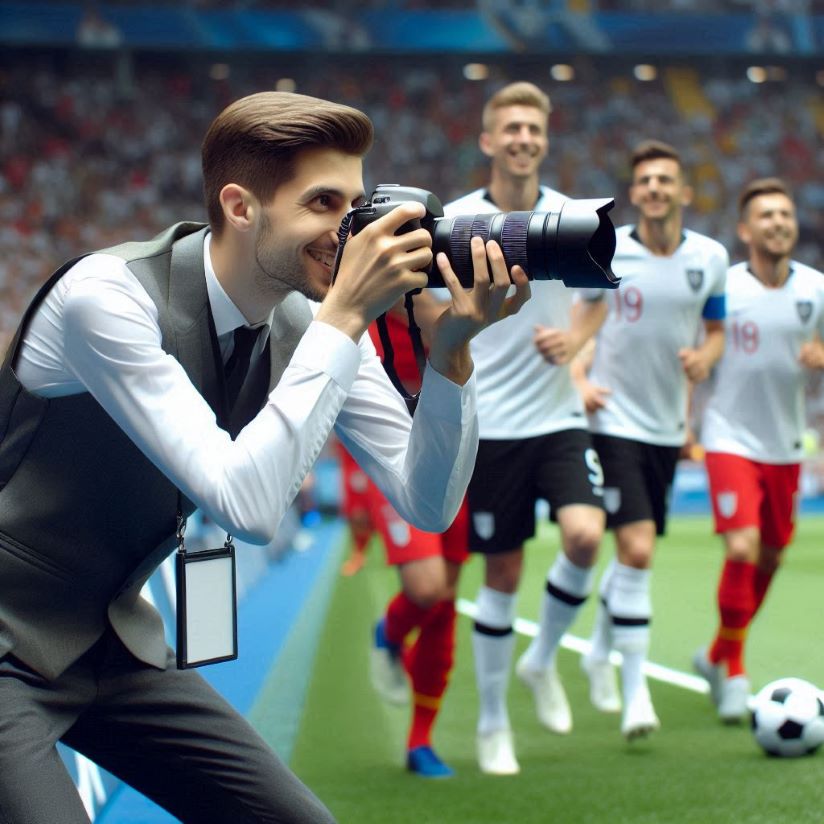
Sports photography has always been a key element in capturing the intensity and excitement of live events. Whether it’s the triumphant moment of a goal or the disappointment on a player’s face after a missed shot, photography brings the emotion of sports to life. In today’s world of instant news and online updates, sports photography plays a crucial role in both print and digital formats. It connects the audience to the action, making them feel like they are in the middle of the game.
Meritking newspapers in Turkey (Meritking Gazete) is a great example of how photography complements written sports coverage. Known for its detailed reports on major sports events, the paper uses powerful images to bring more depth to its stories. From football matches to basketball games, the publication ensures that its readers can read about the action and see it unfold. Combining words and images strengthens the connection between fans and their favorite sports.
The Impact of Photography on Sports News
Photography is not just about capturing moments but also about telling a story. A well-timed photo of a player in mid-air can highlight the intensity of a game more effectively than words alone. This visual storytelling is what makes sports photography so essential for newspapers, live score updates, and online match features.
How Photography Enhances Sports Coverage:
- Emotion: Photos show the emotions of players and fans. These feelings are instantly captured instantly, whether it’s joy, frustration, or concentration.
- Clarity: A photo can summarize the key moments for readers who may not have time to read every word.
- Action: Images can capture the fast-paced nature of sports, showing the speed and agility of players.
Photography in Sports Print Features
Despite the rise of digital platforms, print media still holds significant value. Newspapers like Meritking have successfully combined strong sports coverage with high-quality photography to keep their readers engaged. Large, vibrant images printed on paper create a lasting impression, making the stories come alive. This type of print feature is particularly useful for sports fans who enjoy collecting newspapers or keeping clippings of memorable events.
Sports newspapers often dedicate entire sections to photo spreads, showcasing iconic moments. These images serve as historical records of major events in the sports world. For example, a winning goal captured in a final match or a record-breaking performance can stay with readers long after the game ends.
Live Score Updates and the Role of Photography
In addition to traditional print features, photography has found its place in live score updates. Websites and apps that provide real-time sports news increasingly rely on photos to make their content more dynamic. Live score websites often accompany match updates with images taken during the event. These photos help enhance the experience by offering fans visual cues to go with the numbers and statistics.
- Real-time Visuals: As scores change, new images from the game can be uploaded in real time, offering users a comprehensive view of what’s happening.
- Highlight Moments: Live score updates accompanied by key moments, like a player’s celebration or a crucial save, can give readers a more complete picture of the match.
Photography in Online Sports Match Features
Online platforms provide a unique space for photographers to share their work instantly. Unlike newspapers, which require time for printing, websites can publish photographs almost immediately after they’re taken. This gives sports fans a chance to experience the excitement of a live match, even if they can’t watch it in real-time.
Online articles often use high-quality images to recap the match or provide highlights. Photos capture the game’s essence and attract more readers to these articles, keeping them engaged longer. Websites covering sports events rely on photography to create immersive user experiences. This has made it easier for fans worldwide to follow sports, no matter where they are.
Why Online Sports Coverage Benefits from Photography:
- Engagement: Articles with photos receive more engagement from readers, including higher click-through rates and time spent on the page.
- Social Media Sharing: Sports photos are highly shareable, driving more traffic to live updates or match recaps through platforms like Twitter and Instagram.
READ ALSO: Photography For Media And Its Historical Development
Conclusion
Photography continues to be a vital part of sports journalism. Whether in print newspapers like Meritking, live score updates, or online match features, it adds depth and dimension to sports coverage. Through compelling images, photography allows fans to stay informed and feel connected to the action, whether they are reading a printed newspaper or checking scores online. As sports coverage evolves, the role of photography will remain crucial in bringing these stories to life for fans worldwide.

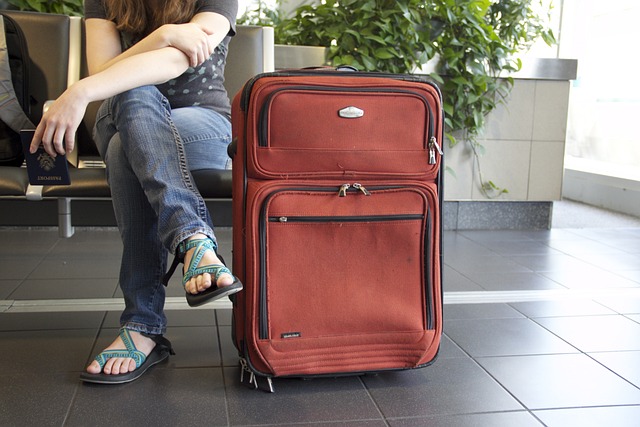
 When it comes to traveling with photography gear, finding the right carry-on luggage can make all the difference. With strict airline restrictions and the need for security and convenience, it’s important to choose a bag that meets these requirements. Here are some of the best features to look for in photography-friendly carry-on luggage, specifically suitable for Ryanair carry on luggage.