
Hiring Home Cleaning Services by Cleansy can Help Create a Better Photo Studio

A memorable photograph depends on more than a skilled photographer and a high-quality camera. While lighting setups, camera settings, and artistic direction often receive the most attention, the cleanliness of the studio is equally important. Dust, fingerprints, clutter, and smudges can interfere with equipment, distract subjects, and even appear in the final images. Professional cleaners just like home cleaning services by Cleansy play a valuable role in helping photo studios maintain spaces that are ready for every session.

By keeping floors spotless, backdrops free from dust, mirrors streak-free, and workspaces sanitized, they help photographers focus on capturing great images instead of solving preventable problems. Whether the studio specializes in portraits, fashion, commercial products, or family photography, a clean environment contributes to smoother operations and higher-quality results.

A Clean Studio Supports Better Photography

Photography is built on detail. High-resolution cameras capture every texture, reflection, and imperfection within a scene. Even tiny particles of dust that go unnoticed by the human eye can become visible under powerful studio lighting.

Professional cleaning helps reduce these distractions by maintaining every part of the shooting environment. Floors remain free of dirt that could be tracked onto sets, while windows and mirrors stay clear of streaks that might interfere with lighting or reflections. Common areas that benefit from routine professional cleaning include:

  • Photography backdrops
  • Studio floors
  • Reception areas
  • Makeup stations
  • Dressing rooms
  • Mirrors and glass surfaces
  • Furniture and props

By keeping them clean, it promotes cleaner visuals enabling photographers to focus on their craft and less time correcting avoidable flaws during editing.

Protecting Valuable Equipment from Dust and Debris

Photography equipment represents a significant investment. Cameras, lenses, lighting systems, computers, monitors, and editing stations all perform best when kept in clean surroundings.

Dust is one of the biggest challenges in any studio environment. It can settle on lenses, image sensors, light modifiers, tripods, and electronic equipment over time. Although photographers regularly clean their gear, minimizing dust within the studio reduces the frequency of maintenance and lowers the risk of contamination during equipment changes.

Professional cleaners help by reducing airborne dust through thorough cleaning techniques that include vacuuming, dust removal, and floor maintenance. Clean carpets, furniture, and ventilation areas also contribute to better indoor air quality, reducing the amount of debris circulating throughout the workspace.

A cleaner environment helps preserve expensive equipment while supporting consistent photographic performance.

Better Lighting Begins with Cleaner Spaces

From softboxes, reflectors, mirrors, and diffusers, they all rely on clean surfaces to produce predictable and consistent lighting.

Dirty walls, dusty ceilings, or smudged reflectors can subtly affect how light behaves inside the studio. Even fingerprints on mirrors or glass surfaces may introduce unwanted reflections that complicate a shoot.

Professional cleaners help maintain optimal lighting conditions by ensuring that reflective surfaces remain clean and free from residue. Regular cleaning also helps preserve white walls, seamless backgrounds, and studio ceilings that contribute to accurate light distribution.

This attention to cleanliness allows photographers to spend more time refining creative lighting techniques instead of correcting environmental distractions.

Creating a Comfortable Experience for Clients

Photography is often a collaborative experience involving clients, models, stylists, makeup artists, assistants, and production teams. The condition of the studio influences not only the quality of the images but also the overall experience of everyone involved.

A clean reception area creates a positive first impression, while organized workspaces help projects run more efficiently. Sanitized dressing rooms, fresh seating areas, and tidy makeup stations demonstrate professionalism and attention to detail.

Professional cleaning also contributes to a healthier indoor environment by reducing dust, allergens, and bacteria on frequently touched surfaces. This creates a more comfortable atmosphere for clients who may spend several hours inside the studio during extended photo sessions.

When visitors feel comfortable and confident in the environment, they are often more relaxed in front of the camera, which can lead to more natural and expressive photographs.

Saving Time during Production and Post-Processing

Every photographer understands that editing can be one of the most time-consuming stages of a project. Dust spots, dirty floors, background imperfections, and unwanted clutter frequently require digital correction during post-production.

While image editing software can remove many of these issues, preventing them in the first place is far more efficient.

Professional cleaners help streamline production by ensuring that studios remain consistently ready for use. Clean backgrounds reduce retouching work, organized spaces improve workflow, and sanitized workstations allow creative teams to move efficiently between setups.

Regular professional cleaning also supports better organization by reducing clutter, keeping storage areas orderly, and maintaining equipment spaces that are easier to navigate during busy production schedules.

As a result, photographers can devote more time to creativity, client interaction, and image refinement rather than correcting avoidable environmental issues.

Excellent Photo Studio is the Culmination of All Elements

Great photography depends on countless details working together. While cameras, lighting, and artistic vision remain central to every successful photo shoot, the condition of the studio itself has a significant impact on both the creative process and the final results.

Professional cleaners contribute by maintaining dust-free floors, spotless backdrops, clean mirrors, sanitized workspaces, and organized environments that support efficient production. Their work helps protect valuable equipment, improve lighting performance, reduce editing time, and create a welcoming atmosphere for clients and creative teams alike.

AI-Generated Images vs. Authentic Photography: Why Real Visual Storytelling Matters More Than Ever

Real vs AI Photography

Artificial intelligence has transformed image creation at an unprecedented pace. Tools capable of generating realistic visuals from simple text prompts are now widely available, changing how businesses, creators, and marketers produce content. Reports from McKinsey & Company and Goldman Sachs suggest that generative AI is reshaping creative industries by improving speed and lowering production costs. At the same time, these advances have raised important questions about trust, originality, and the role of professional photographers.

As AI-generated visuals become more common, authentic documentary photography continues to offer something algorithms cannot fully reproduce, genuine moments shaped by real people, places, and experiences. Experts from the National Press Photographers Association emphasize that credibility in visual journalism depends on truthful representation rather than synthetic imagery. That distinction has become increasingly valuable as audiences grow more cautious about manipulated content appearing online.

The Difference Between Artificial and Real Visuals

AI-generated images excel at creating imaginative concepts, polished marketing graphics, and illustrations within seconds. They help designers explore ideas quickly and reduce production time for many commercial projects. However, generated visuals rely on patterns learned from existing data rather than firsthand observation.

Authentic photography captures events exactly as they unfold. Research published by the Reuters Institute for the Study of Journalism indicates that public trust in news depends heavily on transparent reporting and verifiable visual evidence. A photograph documenting a natural disaster, political event, or cultural celebration carries historical value because it records reality rather than an interpretation created by software.

Lessons from Journalism, Travel, and Commercial Photography

Photojournalism offers one of the clearest examples of why authenticity matters. Organizations such as World Press Photo maintain strict standards for image verification and editing to preserve public confidence. Award-winning photographs often gain recognition because they document events that cannot be recreated through artificial generation.

Travel photography follows a similar pattern. While AI can create beautiful landscapes, travelers increasingly seek images that reflect genuine destinations, local traditions, and real interactions. Studies from Booking.com have shown that authentic visual content influences travel planning by helping people develop realistic expectations before making reservations.

Commercial photography is adapting rather than disappearing. Brands continue using AI for concept development, yet companies seeking long-term customer trust frequently invest in original product photography featuring real employees, customers, and locations. Experts from Deloitte note that transparency and authenticity strengthen brand reputation, particularly when consumers are aware that digital manipulation has become easier than ever.

How Photographers Can Stand Out

  • Develop a recognizable personal style that reflects genuine experiences.
  • Document behind-the-scenes moments to demonstrate authenticity.
  • Build expertise within specialized fields such as wildlife, sports, healthcare, or documentary work.
  • Maintain ethical editing practices and disclose significant digital alterations when appropriate.
  • Focus on storytelling, emotion, and human connection that cannot be replicated through automated generation alone.

Looking Ahead

Artificial intelligence will remain an important creative tool, and its capabilities will continue to expand. Human photographers, however, possess qualities that technology cannot fully replace, including empathy, judgment, timing, and the ability to build trust with their subjects. As concerns about misinformation and synthetic media increase, verified photography may become even more valuable across journalism, education, marketing, and historical documentation. The future of photography is unlikely to be a contest between people and machines. Instead, it will reward creators who combine technical skill with honest visual storytelling that audiences can believe.

Genre & Mood Through Imagery: What Different Film Genres Can Teach Photographers About Visual Storytelling

The Academy of Motion Picture Arts and Sciences recognizes achievements in cinematography because visual storytelling shapes how audiences experience every scene. Before a character speaks, viewers often understand whether they are watching an action film, a romance, a science fiction adventure, or a historical drama simply through lighting, color, composition, and atmosphere. Those same visual principles offer valuable lessons for photographers who want to create stronger, more expressive images.

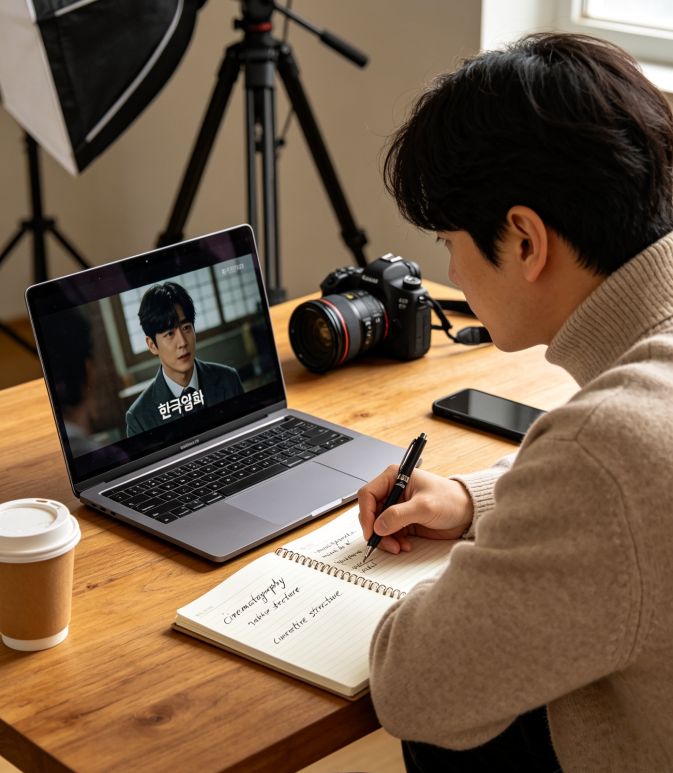
Many photographers study films to better understand visual storytelling. Streaming platforms featuring Korean movies provide useful examples of how mood changes through careful use of light, framing, and color. Rather than copying a particular scene, photographers can observe how directors and cinematographers build emotion through visual choices, then adapt those ideas to portraits, travel photography, commercial work, or personal projects.

Film Genre Collage

Why Visual Language Defines Genre

Every film genre relies on a recognizable visual language. Viewers learn these patterns over time, often without realizing it. Bright colors may suggest optimism, while darker tones often create suspense or uncertainty. Wide landscapes can communicate freedom, whereas close framing encourages intimacy.

The British Film Institute explains that cinematography guides the audience’s emotional response by controlling what is seen and how it is presented. Lighting, camera position, costume, production design, and color work together to establish mood long before dialogue explains the story.

Photographers face a similar challenge. Every decision, from lens selection to editing style, influences how viewers interpret an image. Understanding genre conventions helps photographers become more intentional instead of relying solely on technical settings.

Action Films: Creating Energy and Movement

Action films rarely feel calm. Their visual language encourages excitement through movement, contrast, and dramatic composition. Cameras frequently capture subjects from low or unusual angles, making characters appear larger than life. Diagonal lines and layered compositions create a sense of speed, even in still frames.

Lighting also plays an important role. Strong highlights, deep shadows, headlights, practical lighting, and glowing city streets contribute to an atmosphere filled with tension and urgency. Warm colors such as orange and red often appear alongside darker backgrounds, increasing visual contrast.

Photographers can apply these techniques by experimenting with motion blur instead of freezing every subject. Shooting from lower perspectives, using leading lines, or placing subjects off-center can make an ordinary scene feel much more dynamic. The goal is not to imitate movie scenes exactly, but to create photographs that communicate motion and excitement.

Romance Films: Building Emotion Through Softness

Romantic films often rely on gentle lighting and subtle composition to draw viewers closer to the characters. Soft window light, golden-hour sunlight, and carefully diffused illumination create a welcoming atmosphere that supports emotional storytelling.

Color choices are equally important. Warm neutrals, cream tones, pastel shades, and natural colors help establish comfort and connection. Shallow depth of field keeps attention on facial expressions while allowing distracting backgrounds to disappear.

The International Color Association notes that color strongly influences emotional perception, making thoughtful color selection an important part of visual communication across photography, film, and design.

Portrait photographers can borrow these ideas by focusing on authentic interactions instead of elaborate poses. Small gestures, eye contact, and natural expressions often communicate more than dramatic staging. Soft lighting complements those moments without competing for attention.

Science Fiction: Designing the Future With Light

Science fiction presents a different visual experience. Many productions use clean architecture, geometric compositions, reflective materials, and carefully controlled lighting to suggest advanced technology or unfamiliar worlds.

Cool colors dominate many futuristic scenes. Blue, cyan, violet, and metallic tones frequently appear alongside dark environments illuminated by LED lighting or glowing displays. Symmetry also becomes more common, reinforcing ideas of precision and technology.

Research published by MIT Media Lab has explored how lighting and color influence perception, demonstrating that visual environments significantly affect emotional responses and attention.

Photographers do not need expensive equipment to experiment with this style. Affordable LED lights, reflective surfaces, glass, mirrors, and carefully planned compositions can create futuristic moods. Simple locations often become visually striking once lighting receives greater attention.

Period Films: Letting History Shape the Mood

Historical dramas depend heavily on authenticity. Their visual language usually avoids modern distractions and instead highlights architecture, clothing, textures, and natural light that reflect the period being portrayed.

Candlelight, window illumination, muted earth tones, aged wood, stone walls, and textured fabrics help create believable settings. Rather than pursuing perfect clarity, cinematographers sometimes embrace softer contrast to make scenes feel timeless.

Photographers interested in vintage aesthetics can use similar ideas. Historic neighborhoods, heritage buildings, antique furniture, and natural materials provide strong visual foundations. Editing choices also matter. Slightly muted colors often reinforce the feeling without making photographs appear artificial.

Visual Techniques That Work Across Every Genre

Although every genre has its own style, several principles remain consistent across successful visual storytelling.

Color Should Support the Story

Editing should strengthen the emotion already present in the photograph. Applying dramatic color grading without considering the subject often creates inconsistency. Successful photographers usually develop editing styles that remain recognizable throughout an entire project.

Composition Guides Attention

Leading lines, symmetry, framing, and thoughtful subject placement help viewers understand where to look first. Every element inside the frame contributes to the story, even those that seem unimportant at first glance.

Lighting Creates Emotion

Hard light generates drama, while soft light usually feels more inviting. The direction of light changes how faces, objects, and landscapes appear. Shadows often communicate as much emotion as highlights.

Backgrounds Matter

Every object within the frame influences the final message. Removing unnecessary distractions allows viewers to focus on the intended subject without competing visual information.

Applying Cinematic Thinking to Everyday Photography

Genre-inspired photography does not require elaborate sets or expensive equipment. Instead, it begins with asking a simple question before pressing the shutter: What should the viewer feel?

Portrait sessions become more expressive when lighting matches the subject’s personality. Travel photography becomes more memorable by emphasizing atmosphere instead of simply documenting locations. Commercial photography benefits from visual consistency that reflects a brand’s identity rather than following temporary trends. For photographers interested in learning photography through films, analyzing cinematography frame by frame can provide practical lessons in composition, lighting, and visual storytelling that are easy to adapt to everyday shooting.

Many contemporary Asian films demonstrate how subtle changes in color, pacing, and composition transform familiar locations into emotionally engaging scenes. Studying a variety of international cinema encourages photographers to expand their creative vocabulary without copying individual productions.

Common Mistakes When Borrowing Cinematic Styles

One common mistake is focusing entirely on color grading while ignoring composition and lighting. Cinematic images succeed because every visual element supports the same emotional goal.

Another challenge involves combining conflicting styles within one project. A futuristic lighting setup paired with vintage styling may confuse viewers unless there is a clear creative reason behind the decision.

Finally, photographers sometimes become distracted by technical effects instead of storytelling. Beautiful lighting and dramatic editing have greater impact when they strengthen the subject’s emotional message rather than overpower it.

Conclusion

Film genres communicate emotion through carefully planned visual language. Action films create energy, romances encourage intimacy, science fiction explores atmosphere through technology, and period dramas build authenticity with texture and natural light. These approaches offer practical lessons for photographers seeking stronger storytelling.

Studying international cinema, including acclaimed productions from South Korea and other filmmaking traditions, helps photographers recognize how color, composition, lighting, and texture work together to shape emotion. By understanding these visual principles instead of simply recreating memorable scenes, photographers can develop a style that feels authentic, thoughtful, and uniquely their own.