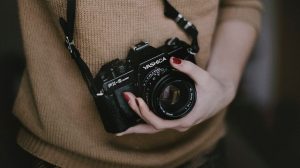
Is This Photo AI? Why Cameras Are Starting to Prove Where Images Came From

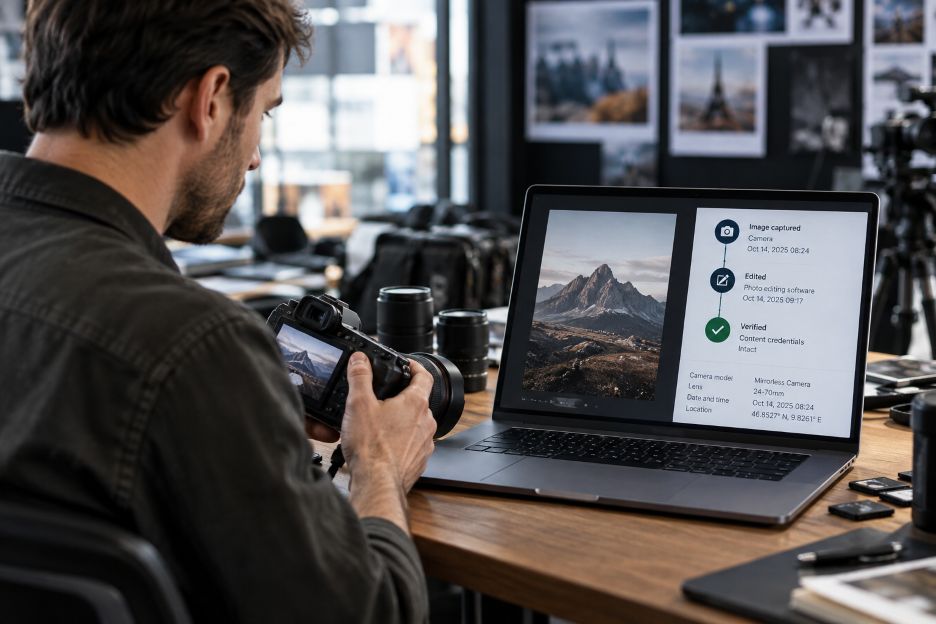
Photographer Reviewing Verified Mountain Image

Cameras are beginning to record more than exposure settings and lens information. A growing group of models can now attach Content Credentials that help establish where a photograph originated and what happened to the file afterward. Leica already offers the technology across several cameras, including the M11-P, M11-D and SL3-S. Leica Camera describes the M11-P as the first production camera to integrate image authentication based on the C2PA standard.

The shift comes as realistic AI-generated pictures make visual verification more complicated. Reuters reported in August 2026 that its verification teams now examine metadata, locations, weather information and other evidence when checking images gathered online. Provenance technology cannot replace that work, but it can give photographers and publishers another useful source of evidence.

What Does a Camera Actually Record?

Content Credentials are based on standards developed by the Coalition for Content Provenance and Authenticity, or C2PA. Instead of relying on ordinary metadata that can be easily changed, the system can attach cryptographically verifiable information to a digital file. That information may describe how an image was created, which device produced it and what changes were subsequently made.

The system works through digitally signed records known as manifests. Cryptographic bindings associate those records with a particular file. If participating software edits the photograph, additional provenance information can be added while preserving its earlier history. The result is closer to a documented chain of custody than a simple camera-data label.

Why Photographers May Need Proof of Origin

Photojournalism is an obvious use case. News organizations already spend significant time determining whether images circulating online are genuine. The Associated Press introduced AP Verify in 2025 to help newsrooms examine photos, video and other digital material using tools such as geolocation, reverse-image search and AI-assisted analysis.

Commercial photographers and independent creators face a related problem. A photographer may need to show that an image originated with a real camera rather than a generator, particularly when clients have rules about synthetic media. Provenance records can also provide a clearer history when photographs move through editing software and publishing systems.

For viewers, the benefit is context. Instead of asking an algorithm to guess whether pixels look artificial, someone can examine information supplied by participating devices and applications. C2PA says its standard is designed to create tamper-evident records of a media asset’s source and history.

Authentic File Does Not Mean Truthful Scene

There is an important limit. Provenance can provide evidence about a photograph’s technical history. It cannot determine whether the scene in front of the lens was staged, misleading or presented without context.

A genuine camera could photograph a staged event. A real photograph could also be paired with a false caption claiming it was taken somewhere else. Even an untouched image can mislead when cropping, timing or context changes its meaning.

That distinction may become central to digital photography. Content Credentials can help answer, “Where did this file come from?” They cannot automatically answer the harder question, “Does this picture tell the truth?” Cameras are gaining stronger tools for proving provenance, but human verification and editorial judgment still matter.

Hiring Home Cleaning Services by Cleansy can Help Create a Better Photo Studio

A memorable photograph depends on more than a skilled photographer and a high-quality camera. While lighting setups, camera settings, and artistic direction often receive the most attention, the cleanliness of the studio is equally important. Dust, fingerprints, clutter, and smudges can interfere with equipment, distract subjects, and even appear in the final images. Professional cleaners just like home cleaning services by Cleansy play a valuable role in helping photo studios maintain spaces that are ready for every session.

By keeping floors spotless, backdrops free from dust, mirrors streak-free, and workspaces sanitized, they help photographers focus on capturing great images instead of solving preventable problems. Whether the studio specializes in portraits, fashion, commercial products, or family photography, a clean environment contributes to smoother operations and higher-quality results.

A Clean Studio Supports Better Photography

Photography is built on detail. High-resolution cameras capture every texture, reflection, and imperfection within a scene. Even tiny particles of dust that go unnoticed by the human eye can become visible under powerful studio lighting.

Professional cleaning helps reduce these distractions by maintaining every part of the shooting environment. Floors remain free of dirt that could be tracked onto sets, while windows and mirrors stay clear of streaks that might interfere with lighting or reflections. Common areas that benefit from routine professional cleaning include:

  • Photography backdrops
  • Studio floors
  • Reception areas
  • Makeup stations
  • Dressing rooms
  • Mirrors and glass surfaces
  • Furniture and props

By keeping them clean, it promotes cleaner visuals enabling photographers to focus on their craft and less time correcting avoidable flaws during editing.

Protecting Valuable Equipment from Dust and Debris

Photography equipment represents a significant investment. Cameras, lenses, lighting systems, computers, monitors, and editing stations all perform best when kept in clean surroundings.

Dust is one of the biggest challenges in any studio environment. It can settle on lenses, image sensors, light modifiers, tripods, and electronic equipment over time. Although photographers regularly clean their gear, minimizing dust within the studio reduces the frequency of maintenance and lowers the risk of contamination during equipment changes.

Professional cleaners help by reducing airborne dust through thorough cleaning techniques that include vacuuming, dust removal, and floor maintenance. Clean carpets, furniture, and ventilation areas also contribute to better indoor air quality, reducing the amount of debris circulating throughout the workspace.

A cleaner environment helps preserve expensive equipment while supporting consistent photographic performance.

Better Lighting Begins with Cleaner Spaces

From softboxes, reflectors, mirrors, and diffusers, they all rely on clean surfaces to produce predictable and consistent lighting.

Dirty walls, dusty ceilings, or smudged reflectors can subtly affect how light behaves inside the studio. Even fingerprints on mirrors or glass surfaces may introduce unwanted reflections that complicate a shoot.

Professional cleaners help maintain optimal lighting conditions by ensuring that reflective surfaces remain clean and free from residue. Regular cleaning also helps preserve white walls, seamless backgrounds, and studio ceilings that contribute to accurate light distribution.

This attention to cleanliness allows photographers to spend more time refining creative lighting techniques instead of correcting environmental distractions.

Creating a Comfortable Experience for Clients

Photography is often a collaborative experience involving clients, models, stylists, makeup artists, assistants, and production teams. The condition of the studio influences not only the quality of the images but also the overall experience of everyone involved.

A clean reception area creates a positive first impression, while organized workspaces help projects run more efficiently. Sanitized dressing rooms, fresh seating areas, and tidy makeup stations demonstrate professionalism and attention to detail.

Professional cleaning also contributes to a healthier indoor environment by reducing dust, allergens, and bacteria on frequently touched surfaces. This creates a more comfortable atmosphere for clients who may spend several hours inside the studio during extended photo sessions.

When visitors feel comfortable and confident in the environment, they are often more relaxed in front of the camera, which can lead to more natural and expressive photographs.

Saving Time during Production and Post-Processing

Every photographer understands that editing can be one of the most time-consuming stages of a project. Dust spots, dirty floors, background imperfections, and unwanted clutter frequently require digital correction during post-production.

While image editing software can remove many of these issues, preventing them in the first place is far more efficient.

Professional cleaners help streamline production by ensuring that studios remain consistently ready for use. Clean backgrounds reduce retouching work, organized spaces improve workflow, and sanitized workstations allow creative teams to move efficiently between setups.

Regular professional cleaning also supports better organization by reducing clutter, keeping storage areas orderly, and maintaining equipment spaces that are easier to navigate during busy production schedules.

As a result, photographers can devote more time to creativity, client interaction, and image refinement rather than correcting avoidable environmental issues.

Excellent Photo Studio is the Culmination of All Elements

Great photography depends on countless details working together. While cameras, lighting, and artistic vision remain central to every successful photo shoot, the condition of the studio itself has a significant impact on both the creative process and the final results.

Professional cleaners contribute by maintaining dust-free floors, spotless backdrops, clean mirrors, sanitized workspaces, and organized environments that support efficient production. Their work helps protect valuable equipment, improve lighting performance, reduce editing time, and create a welcoming atmosphere for clients and creative teams alike.

Elevate Your Photography Game as You Order Followers in Instagram

Many individuals and businesses explore various strategies to order followers Instagram. The desire for a larger audience often stems from a wish to amplify their message, increase visibility, or enhance social proof. While the motivations behind wanting to order followers are varied, the pursuit of a more impactful online presence is a common thread. Building a strong and engaged Instagram following organically often takes time and consistent effort.

Understanding the Significance of Visual Appeal

Regardless of the methods employed to grow an Instagram presence, visually appealing content is paramount. In photography, a key factor to come up with creative and engaging visuals all lies in the angle that the subject was taken.

The angle can dramatically alter the viewer’s perception of a subject, adding depth, interest, and a unique perspective to an otherwise ordinary scene. Experimenting with different angles is a fundamental technique for photographers of all levels.

Exploring High-Angle Shots

A good example is by taking high-angle shots. This requires the camera to be positioned above the subject, while looking down. With this point-of-view, it makes the subject look smaller, and more vulnerable, opening up more emotions in the process.

High-angle shots are often used to provide an overview of a scene, showcasing the layout or context. For instance, photographing a crowd from an elevated position can emphasize its size and scale. Similarly, capturing a landscape from a high vantage point can reveal the vastness and beauty of the environment. In portraiture, a slight high angle can sometimes make the subject’s eyes appear larger and create a more flattering composition.

Impact of Low-Angle Perspectives

Conversely, a low-angle shot involves positioning the camera below the subject, looking up. In this angle, it makes the subject look more dominant, and bigger.

These shots are perfect for creating a sense of awe or emphasizing the grandeur and height of the subject. Same reason why this technique is frequently used to shoot tall buildings, statutes, etc.

When photographing objects, a low angle can highlight their shape and form in an interesting way, drawing the viewer’s eye upward.

Neutral Eye-Level Shot

As the name suggests, the camera is positioned as the same height as the subject. This is often considered the most natural and objective perspective, as it mimics how we typically view the world around us. If you want to establish connection, and intimacy to your subject, this is the best shot to take. They are also commonly used in documentary photography and filmmaking to provide a straightforward and unbiased view of events.

While seemingly simple, mastering eye-level composition is crucial for establishing a baseline and understanding how different angles can deviate from this natural perspective to create specific effects.

Utilizing Different Vertical Angles

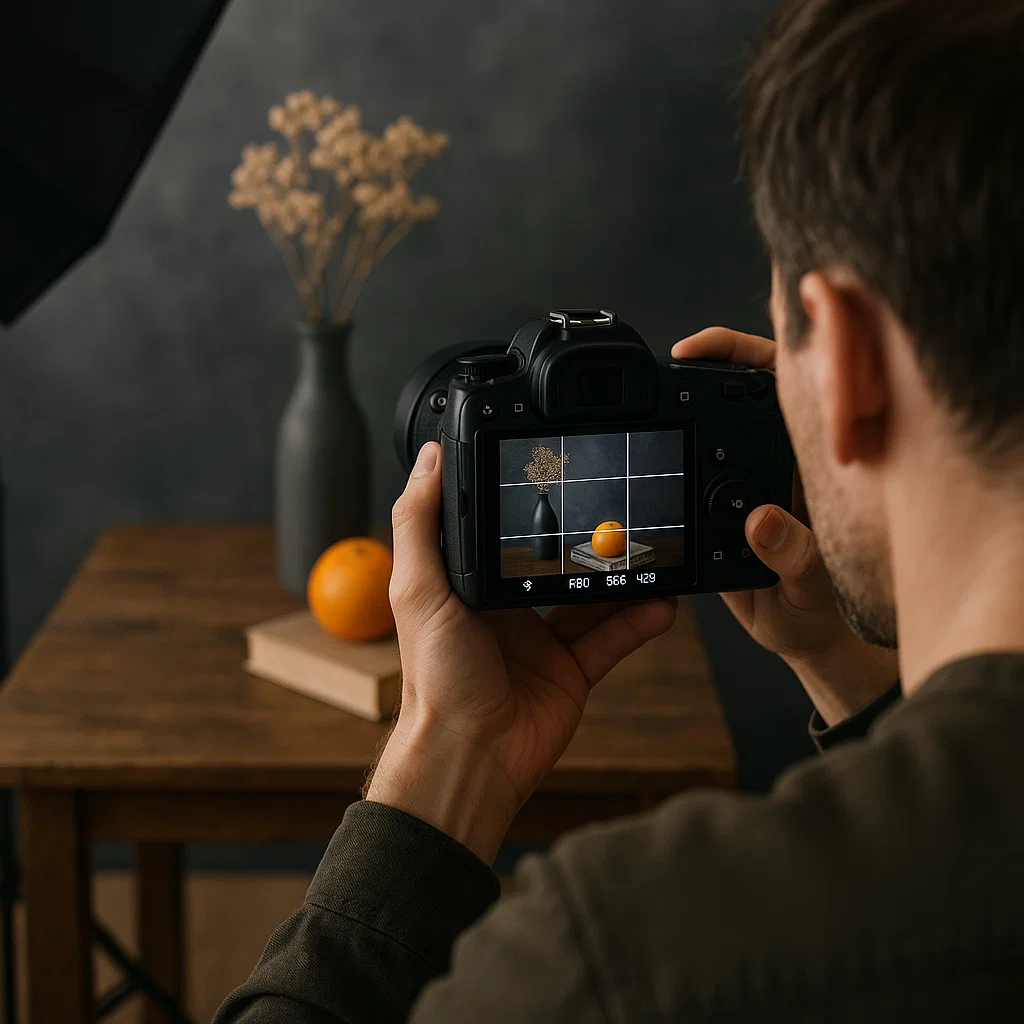
Shooting vertically versus horizontally can also significantly impact the composition and the message of a photograph. Vertical shots are often well-suited for portrait photography, as they naturally accommodate the human form. They can also emphasize height and vertical lines within a scene, such as trees or skyscrapers. Horizontal shots, on the other hand, are often preferred for landscapes, as they capture a wider field of view and emphasize breadth and horizontal lines.

Understanding when to use a vertical versus a horizontal orientation is an important aspect of photographic composition that can greatly influence the final image.

Using Grid Systems for Perfect Photography Composition like Awning Structural Design

Grid systems represent fundamental tools in photography composition help photographers create balanced, visually appealing images. Professional photographers rely on various grid patterns including the rule of thirds, golden ratio, and symmetrical grids. These elements are used to guide composition decisions that enhance visual impact and viewer engagement. Similar to an awning installation, it requires precise grid measurements and structural calculations. Through this, it guarantees proper support, weather resistance, and visual harmony with existing architecture

Following these installation procedures demonstrate how systematic approaches to design and placement create superior results. Grid-based planning in both photography and architectural elements like awnings ensures that creative vision translates into technically sound and visually pleasing final products.

Rule of Thirds Grid Application

The rule of thirds divides the camera frame into nine equal sections using two horizontal and two vertical lines. Thus, creating intersection points that naturally draw viewer attention and create dynamic composition.

Landscape and Portrait Benefits

Placing important subjects along these grid lines or at intersection points creates more engaging photographs than centering subjects in the frame. This grid system works particularly well for landscape photography where horizons align with horizontal grid lines and prominent features occupy intersection points.

Portrait photography also benefits from rule of thirds placement by positioning eyes along upper grid lines and using vertical lines to guide body positioning that creates natural and comfortable compositions.

Advanced Grid Systems and Creative Applications

Professional photographers utilize more complex grid systems including the golden ratio spiral, diagonal grids, and geometric patterns. As a result, it creates sophisticated compositional structures for artistic and commercial photography.

The golden ratio grid provides mathematically pleasing proportions that create natural visual flow and harmony in photographs. In the same process, it guides viewer attention through planned visual paths. Symmetrical grids work effectively for architectural and product photography where precise alignment and balance create professional results that emphasize geometric relationships and structural elements.

Digital Tools and Grid Implementation

Modern cameras and smartphone photography applications include built-in grid overlays that help photographers visualize compositional guidelines while shooting. Post-processing software provides additional grid tools for cropping and composition refinement allowing photographers to optimize images after capture.

Digital photography workflows increasingly incorporate grid-based analysis tools that evaluate composition strength and suggest improvements based on established compositional principles.

Capturing Health and Fitness Through the Lens: Tips for Fitness Photography


fitness and photography

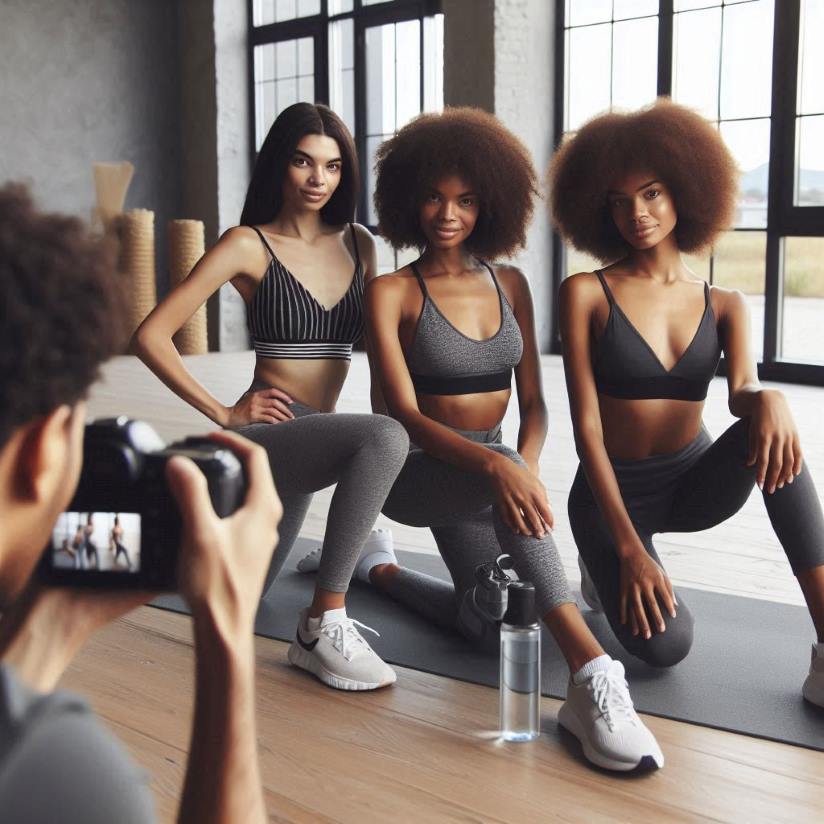
Fitness photography is all about capturing the essence of movement and strength. Whether you’re photographing a professional athlete or someone on their fitness journey, it’s essential to tell a compelling story. Good fitness photos inspire and motivate viewers.

Lighting is Key

Natural light is your best friend. Early morning or late afternoon light provides a soft, flattering glow that highlights muscle definition and adds depth to your photos. If you’re shooting indoors, use diffused light to avoid harsh shadows.

Focus on the Details

Close-up shots of muscles, sweat, and expressions can add intensity to your photos. These details capture the hard work and dedication behind every workout. Remember, fitness is about the big movements and the small, powerful moments.

Use Dynamic Angles

Experiment with different angles to showcase the subject’s strength and form. Low angles can make the subject appear more powerful, while high angles can provide a unique perspective. Keep the camera steady to ensure crisp, clear shots.

Fitness photography is more than just taking pictures; it’s about telling a story. By focusing on lighting, details, and angles, you can capture the true essence of fitness and inspire others.

Exploring the Art of Tow Truck Photography

In the world of photography, there exists a multitude of genres and subjects waiting to be captured through the lens of a camera. While some may gravitate towards landscapes, portraits, or wildlife, others find inspiration in the most unexpected places. One such niche that has been gaining attention recently is tow truck photography.

The Art of Tow Truck Photography

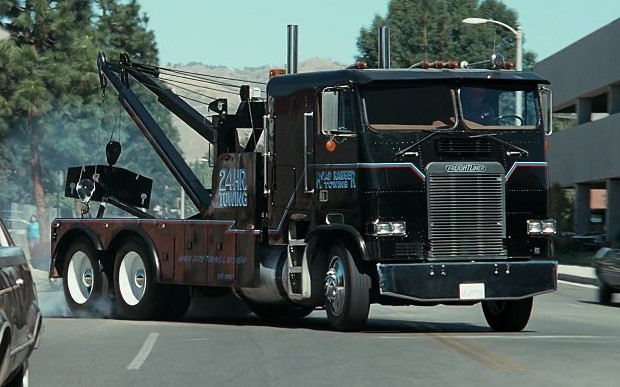
Tow trucks particularly heavy duty towing trucks may seem mundane at first glance, but upon closer inspection, they reveal a symphony of shapes, colors, and textures. From the sleek curves of their chassis to the rugged machinery of their towing apparatus, there is no shortage of visual interest for the discerning photographer.

In this section, we discuss techniques for capturing tow trucks in their element. Whether it’s experimenting with different angles, playing with light and shadow, or focusing on intricate details, there are endless possibilities for creating compelling images.

Finding Beauty in Unexpected Places

One of the most rewarding aspects of tow truck photography is the opportunity to find beauty in unexpected places. While most people may see a tow truck as a symbol of inconvenience or trouble, photographers have the chance to reframe it as a work of art.

We showcase stunning photographs that highlight the aesthetic appeal of tow trucks against diverse backdrops. From urban landscapes to rural settings, these images challenge preconceived notions and invite viewers to appreciate the beauty in the ordinary.

The Stories Behind the Trucks

Behind every tow truck is a story waiting to be told. In this section, we explore the human side of tow truck photography by delving into the lives of the people behind the wheel. Through intimate portraits and candid interviews, we uncover the passion, dedication, and ingenuity that drive these professionals in their line of work.

Inspiring Others Through Photography

Tow truck photography not only offers a unique creative outlet but also has the power to inspire others. Whether it’s sparking an interest in automotive design, highlighting the importance of roadside assistance, or simply encouraging people to look at the world with fresh eyes, these images have the potential to make a lasting impact.

We conclude by encouraging readers to explore their own surroundings with a newfound appreciation for the beauty that lies beneath the surface. After all, in the world of photography, there are no limits to what can be captured through the lens – even something as seemingly ordinary as a tow truck.

READ ALSO: Packing Luggage for a Photography Trip

Conclusion

In this blog post, we’ve explored the often-overlooked world of tow truck photography and discovered the beauty, complexity, and human stories that lie behind these machines. From experimenting with different techniques to finding inspiration in unexpected places, tow truck photography offers a unique opportunity for photographers to flex their creative muscles and challenge perceptions. So, the next time you spot a tow truck on the road, take a moment to appreciate the artistry that surrounds it – you might just find yourself looking at the world in a whole new light.

Capturing the Beauty of Germany’s High-Speed Rail

Germany’s high-speed rail network is one of the most efficient and modern in the world, connecting major cities such as Berlin and Munich in a matter of hours. For photographers, this means the opportunity to capture stunning landscapes, unique architecture, and exciting people along the way. In this guide, we’ll explore how to make the most of your high-speed rail journey through Germany, with tips and recommendations for capturing the beauty of this transportation mode. 

Germany’s high-speed rail network, operated by Deutsche Bahn, covers more than 1,300 miles and reaches speeds of up to 186 miles per hour. The network connects major cities such as Berlin, Hamburg, Frankfurt, and Munich, offering a comfortable and convenient way to travel between them.

Choosing the Right Train and Route

To make the most out of your high-speed rail photography experience, it’s essential to choose the appropriate train and route. Things like time of day, weather conditions and the appeal of the landscape along the path should all be taken into account when making your decision. For example, the ICE trains between Berlin and Munich offer stunning countryside views, while the routes through Frankfurt and Cologne offer urban landscapes and impressive architecture.

Photography Tips for High-Speed Rail Travel

When photographing from a moving train, it’s important to stabilize your camera or use a fast shutter speed to avoid motion blur. Consider shooting in manual mode to adjust your settings for the changing light conditions along the route. Use a wide-angle lens to capture the expansive landscapes and architecture, and look for interesting foreground elements to add depth to your images.

Recommended Photography Spots Along the Route

Some of the most scenic and interesting photography spots along the high-speed rail route from Berlin to Munich include the Elbe River Valley, the Thuringian Forest, and the historic city of Nuremberg. Each location offers unique opportunities for capturing the beauty of Germany’s high-speed rail network.

Germany’s high-speed rail network offers photographers a unique perspective on the country’s landscapes, architecture, and people. By choosing the right train and route, using photography techniques suited to moving subjects, and exploring recommended photography spots, you can capture stunning images that showcase the beauty of this modern transportation mode.

Packing Luggage for a Photography Trip

Are you planning a photography trip soon? How about a photo safari, photo walk, or photo trek? Now that you have decided on the type of photography trip you will be taking, it is time to start packing for your trip. 

Plan Your Packing Schedule

This may seem obvious, but the first step in packing for a trip is to plan your packing schedule. You may want to plan for the upcoming trip on a calendar or with a packing checklist. This will help you to stay on track and avoid the last-minute stress of trying to get everything ready. 

You will also have a more organized packing schedule if you have everything laid out on a calendar. This will allow you to cross off items on your list as you get them packed, which will help you to stay on track during your packing schedule.

Camera Equipment to Pack

You will want to carefully pack your camera equipment so that it does not get damaged. 

You will also want to make sure that the equipment is easy to find when you need it. Many photographers will keep their camera equipment in a camera bag. 

This will help to keep the equipment protected. You can also use a camera strap to carry your camera on your shoulder. This will make it easier to carry your camera bag on your shoulder when you are walking around. If you’re traveling by land, know some heavy duty towing companies along the way. Through this, if your car broke down, you know who to call and have your car fixed and get back on schedule.

Travel Essentials

Depending on what type of photography trip you are taking, you may need some additional items. You will want to make sure that you have enough clothing and toiletries for the trip. Even if you are only traveling for a few days, you may want to bring a few extra items in case you spill something or get caught in bad weather. 

You may want to bring a travel charger for your devices. This will allow you to charge your devices even if the outlets are different or if there is no electricity. You may want to bring a travel pillow for long flights or a sleep mask for long car rides. These items can help you to rest more comfortably on your trip.

Why You Should Print Your Own Photos?

Printing photos


The recent purchase of a limited edition photo book by Scottish photographer Bruce Percy made me realize that I needed to delve a little more into the possibilities of printing my photos myself.

Just like my own photos, I know Bruce’s photos mainly digitally (I do have a few photo books and canvases), but on paper, the photos take on a whole new dimension. Many photographers only consider a photo to be a photo when it is printed.

Lately, I have read a lot about the possibility of printing my own photos. It immediately became clear that it was not simply buying a printer like the Brother DCP t510w, ink, and some paper to get good prints. There are quite a few settings and variables to take into account, so that what you see on the monitor also rolls out of the printer.

Reflect before you begin

First of all, it should be said that if you do not plan to make regular prints, then it is probably not a good idea to buy your own printer, ink, and paper. The cost price per print will probably be much too high, specialized printers can help you better.

Printers are built to make regular prints, if it is stationary for a longer period of time, the print head can become clogged by drying up the ink. The quality of the printer (more expensive) and storage location can help prevent this hiding.

For myself, I have accepted that the prints will be slightly more expensive, but I want to master the art of printing, so that I can exercise full control over the end result, get better prints and also share the acquired knowledge with you again.

In this article I assume ‘fine prints’, prints that you want to hang on the wall and print on high-quality paper, it is not about achieving the same result of a 10x15cm photo at a printing center.

Quality

The quality of the print is determined by a number of factors. First of all, by the photo itself. This must of course be sharp, the sharper the better because when printing, some sharpness is always lost.

Ideally, you photograph from a tripod or with a high shutter speed and, if present, image stabilization of the lens. When post-processing, you also apply more sharpening for a photo that you print than for a photo that you view on a monitor.

When printing photos, the number of megapixels can play a major role, partly depending on how large you want to make the final print. The more megapixels, the larger the print can become or the higher the resolution is with a smaller print.

But as many people have also discovered, too many megapixels are not good for the image quality of the photo itself. The more pixels that are crammed onto a sensor, the greater the chance of noise if you choose higher ISO values. It is therefore a compromise. For a print on A4, a 6 to a 7-megapixel camera is often enough (partly depending on the dpi, pixels per inch, that you set).

Ink

An important element in the choice of a photo printer is ink. Innovations are constantly taking place here, new inks are becoming increasingly color-like, covering even better and ensuring that the printer can produce more and more colors.

In recent years there has been a revolution in the development of so-called pigment inks. These generally last much longer than traditional inks. The ink also dries faster (important if many different colors are mixed) and the ink can withstand water better. The pigment ink does lose some color intensity because it bites deeper into the paper, but developments do not stand still.

The colors that the printer makes are composed of the colors cyan (blue), magenta (lilac / light purple), and yellow, often combined with different inks for black and gray tones and often also a black variant for glossy and one for matte. Some printers also have a cartridge for green. For example, it can happen that you sometimes install 6-8 different cartridges with a printer. In general, the more cartridges you have, the more color-like the colors.

The cost of ink is a hot topic, if you have to put 6-8 cartridges in a printer it can just happen that you spend € 200-250 for a full set. This sometimes corresponds to 1/3rd of the price of the printer itself. The larger the cartridges, the more points you can get out of them, but also the higher the cost price is if you replace the cartridges.

In many cases, the printer has loose ink for matte and glossy, but only one print head is available for this. If you switch between these two variants, the printer will first have to spray the print head clean, so the ink is lost if you change regularly. Smart thinking about the order of printing different photos and edits can therefore save a lot of ink.

For many people, this can lead to them being frantic about printing and wanting to waste as little ink as possible. It is of course good to want to save money, but the question is whether you should invest in your own printer. In general, being willing to invest money also leads to better results.

Paper

When discussing printers, the cost per print is often stated based on how quickly the cartridges empty. But the choice of paper often plays an even greater role in the cost price and quality of the final print. The choice of paper can be very personal and change depending on the desired end result.

The thickness of the paper (note that your printer can handle the thickness), the texture, high gloss or matte, and durability all play a role and affect the price per sheet. For standard high gloss 50 sheets A4 it could be that you pay € 30, but if you go for museum quality A3 fiber paper then 25 sheets could just cost € 100-150.

It’s easy to get lost in the great papers available at first, if you’re just starting to print, experiment with the cheaper ‘OEM’ papers available first. You can also be sure that a print profile (see next chapter) is available for your printer and that the printer and the paperwork are well together.


ALSO READ: 8 Reasons To Start Photography As Your Hobby


Profiles

Whether you look at a photo on a screen or on paper is a world of difference. On a monitor, the photo is exposed from behind on paper. This leads to a print looking much darker on paper than on a monitor. In addition, the color 100, 100, 100 means something different for your computer than for your printer. It is therefore important to correct this image in such a way that what you see on the monitor also appears on the print.

This can be done with color profiles. When printing you have to deal with different profiles, your camera, your monitor, the printer, and the paper all have their own interpretation of color.

Monitor profile

For the post-processing of your photos and preparation for printing, it is important that you have a calibrated monitor. In principle, almost every monitor is adjusted to the sRGB color profile, but how the colors are displayed can still differ per monitor. The red on one monitor is not the red on the other monitor. For editing photos that is not an ideal situation, as a photographer we want everyone to see the colors as we intended them.

To ensure that the color red, green, or blue that you see on your monitor is also seen on other monitors, you can use a color meter that can create a correct sRGB profile for your monitor. For example, the Pantone Huey, Spyder3 series, or the meters mentioned in the next chapter (which combine monitor and printer meter). Then you know for sure that the colors you see are correct.

Of course, it depends on whether the receiver /viewer of the photo has also done this for her / his monitor.

Print profile

Once you have edited the photo as you want, the printer profile comes into play. This profile translates the colors you see on your monitor into the colors the printer produces. This profile partly depends on the ink and paper you use, with each variant colors can be displayed slightly differently.

Colormunki PhotoThere is several methods to get a color profile. If you use a printer and paper from a brand such as Canon, Epson, or HP, you can often download the color profile for the type of paper from the manufacturer’s website. Independent paper producers often also post profiles on their websites for specific printer and paper combinations.

Make sure you use exactly the profile for the type of paper you use, a small deviation in the text (Premium or Ultra Premium) can make a big difference because it can be a completely different paper composition.

If you do not have access to a standard profile or do not like it, there are a number of options to get a profile. You can use a spectrophotometer such as an X-Rite ColorMunki Photo or Datacolor Spyder3 Studio. These scans the colors of a test print that you make with the printer and the desired paper and create a profile based on this.

Such a spectrophotometer is quite expensive (around € 380-400 online) and it takes time to create a profile, if you use a few different papers then it may be an option to send a print to a specialized lab that creates a profile for you.

Soft-proofing

Once you have created the profile, you can take the printout. However, each print costs ink and paper. To avoid having to make many prints before you have the final desired view, you can use ‘soft-proofing’ in Photoshop, Lightroom, and Aperture, among others. This gives you an indication on your screen of what the final print will look like.

It is important that you set up your monitor as you had to do when creating the monitor profile (often less bright than in normal use) so as not to make the image too light and to make the colors and contrast look more like the final print.

Print

After you have created a profile when printing from your photo editing application, you choose the desired profile, in theory, those colors should now come close to the image on the monitor, with the caveat of course that the photo on the monitor is exposed from behind is always displayed slightly differently on a print.

Do not look at the print next to your monitor, but rate it in full daylight or use lamps or a lightbox (expensive, but worth it if you make a lot of prints that you sell to customers) that approach a daylight color temperature.

It’s a good idea to start with paper from the manufacturer itself in the first place. The advantage is that the drivers and profiles for those papers are already available, so you have to spend less time on calibration and you are also pretty sure that those papers will do well with your printer. If you do not like the paper or you want to use other types of paper, you have already gained some experience with printing and good comparison material.

Don’t be distracted by the first impression immediately after printing. Depending on the chosen paper and printer, it can take several hours to a day before you see the real colors on the paper, the difference can sometimes be quite dramatic.

I hope that in this article you have got a good impression of what is involved in printing. Based on these experiences, I will further elaborate on the topics in this introduction article in detailed articles. Do you print all your own photos, what are your experiences?

How Do You Get Started As A Photographer For Your Jewelry Business?

Owning a jewelry business like Butterfly Jewelry will require you to shoot your products to feature in catalogs and social media sites that you want to feature your products in. While many other jewelry businesses hire professional photographers to do the job, you can save money if you take the shoots yourself. You don’t have to be a professional photographer but knowing the basics of photography can help you capture images that are worth sharing with your target audience.

How to get started to capture beautiful stills of your jewelry product?

Becoming a photographer is not difficult, but taking beautiful photos is still quite an art. If you have sufficient technical knowledge and a good camera, it is not difficult to learn to take beautiful photos. You don’t need any special training to become a photographer. Taste, talent, and perseverance are all you need.


There are easier ways to get yourself proficient in photography. If you are self-taught, you also learn how to take a beautiful photo through a lot of practice. If you’re having trouble making the most of a camera’s technology, a course is a great way to get to know your camera.

Photographer’s Equipment: Cameras, Tripod, Lamps

A photographer, novice or not, always needs good equipment. You may start with a good digital camera, and later expand with multiple cameras and a tripod; with stuff for a darkroom; with lighting equipment, background, etc… The more successful a photographer is, the more money he/she can invest in the photo equipment. In the long run, you will even need a studio and a darkroom. The digital camera makes developing photos unnecessary. Yet there are still photographers who like to work the old-fashioned way. For example, wet-plate photography is a very old-fashioned technique that appeals to many, where you can only print with a darkroom.

Press photographer, fashion photographer, advertising photographer, portrait photographer, school photographer

There are many different types of photographers, but they have a few things in common: they all have a greater or lesser degree in photography, and of course, they have one or more cameras. A large part of the photographers started shooting simply because they discovered that they had a talent for photography. Some photographers simply applied through an open application to a newspaper and got their assignments and before they knew it they were official photographers. Some of the photographers first followed an official training as a photographer at the photo vocational school, or at another recognized training course. Another did not receive any training and simply reached his/her goal with perseverance. If you want to become a photographer and are too young to receive such training, does it make sense to seriously practice photography and to read something about it? Learning to take, develop and print black and white photos is also excellent preparation for your life as a photographer. You will certainly be able to find an affordable photography course at community centers and art centers in your area. Look closely at photos of famous photographers and try to learn from them.

Which photographer training is best?

If you really want to train as a photographer in order to take great images for your jewelry business, any training that seriously teaches photography makes sense. So if you want to become a commercial photographer, you choose a different direction than if you want to take meaningful and artistic photos. Look for opportunities to practice your skill in photography.

Photography Shows you should watch

In case you’re stuck inside because of the pandemic, you’ve presumably as of now gorged all the series on your list and you’re needing another thing to watch – and with the huge number of shows being offered by every one of the web-based features, you can undoubtedly end up incapacitated by decision.

All things considered, don’t stress over about burrowing through dark thumbnails attempting to track down your next movie fix – we’ve gathered together the best TV shows regarding the matter of photography and photographic artists. These shows you can watch on Rokkr so check it out and subscribe. Some you’ll require a membership to administrations like Netflix, Amazon Prime and others.

Top Photographer with Nigel Barker

Previous model Nigel Barker was most popular as an appointed authority on the hit unscripted TV drama challenge America’s Next Top Model. Then, at that point, recognizing a hole on the lookout, he collaborated with camera store Adorama to dispatch his own existence challenge in the expression of photography.

The organization is basically the same as Next Top Model, with challengers confronting different assignments and ends step by step. Every scene centers around an alternate photography subject, for example, activity sports representation, style or scene.

Wild Photo Adventures

Wild Photo Adventures is an honor winning untamed life photography series that is presently on its fifth season. It follows host and expert untamed life and nature photographic artist Doug Gardner as he ventures out around America to shoot stunning symbolism of the normal world.

With subjects going from walrus, bears and moose in Alaska to white-followed deer in Tennessee, the watcher will partake in some terrific view and natural life. But at the same time there’s a solid instructive component, and the principle center is in showing the sort of tips and strategies that can assist you with emulating Gardner’s example.

Towing and Photography: Documenting Roadside Assistance in San Jose

documenting roadside assisntance

Photography has the unique ability to transform everyday events into captivating stories. This is especially true for the world of roadside assistance in San Jose, where the drama of broken-down vehicles and the heroism of tow truck operators create a rich tapestry of moments worth capturing. Dive into the life of a roadside assistance photographer in San Jose and discover the challenges and rewards of photographing emergency towing services.

The Intersection of Towing and Photography

Capturing the essence of roadside assistance requires more than just technical skill with a camera. It involves understanding the context and the human emotions involved in each situation. Photographers must be ready to document the urgency of the scene and the professionalism of the towing crew. The blend of mechanical power and human touch provides endless opportunities for compelling imagery.

Linking to this fascinating world, one can find more details about towing services in San Jose by visiting towing san jose. This resource offers valuable insights into the industry and can enhance your appreciation for the work being documented.

Preparing for the Shoot

Preparation is key to successfully photographing roadside assistance. The unpredictable nature of towing jobs means photographers must be ready to adapt to various situations. Here are some essential steps to prepare:

  • Research Locations: Know the common spots in San Jose where roadside assistance is frequently required. This includes busy highways, downtown streets, and less-traveled roads.
  • Gear Checklist: Ensure you have the right equipment, including a camera with good low-light performance, various lenses, and a sturdy tripod.
  • Understand the Process: Familiarize yourself with the towing process to anticipate key moments worth capturing, such as the hookup, the lift, and the tow.

Capturing the Action

Photographing roadside assistance is about capturing the right moments that tell a story. Each phase of the towing process offers unique photographic opportunities.

The Arrival

When the tow truck arrives at the scene, it often marks the beginning of a dramatic transformation. The sight of a tow truck pulling up to a stranded vehicle is a powerful image that sets the stage for the story.

  • Wide Shots: Capture the entire scene, including the stranded vehicle, the tow truck, and the surrounding environment.
  • Close-Ups: Focus on details like the tow truck’s branding, the driver’s face, and the vehicle’s condition.

The Hookup

This phase involves attaching the vehicle to the tow truck, a process that requires skill and precision. It’s a moment that showcases the expertise of the towing crew.

  • Action Shots: Photograph the driver as they work to secure the vehicle. Look for expressions of concentration and determination.
  • Detail Shots: Highlight the equipment being used, such as chains, hooks, and levers.

The Tow

Once the vehicle is secured, the towing process begins. This is where the movement and mechanics of the tow truck can be captured beautifully.

  • Motion Shots: Use techniques like panning to capture the movement of the tow truck as it drives away with the vehicle.
  • Contextual Shots: Show the tow truck in its environment, whether it’s navigating through traffic or driving down a quiet street.

The Human Element

At the heart of every towing job are the people involved. Photographers should aim to capture the human emotions and interactions that occur during roadside assistance.

The Tow Truck Operator

Tow truck drivers are the unsung heroes of roadside assistance. Documenting their work provides a glimpse into their dedication and expertise.

  • Portraits: Take portraits of the drivers in action, focusing on their expressions and the tools of their trade.
  • Candid Shots: Capture drivers interacting with stranded motorists, offering reassurance and assistance.

The Stranded Motorist

The experience of a vehicle breakdown is often stressful and frustrating. Capturing the reactions and emotions of motorists adds depth to the story.

  • Emotional Moments: Photograph the relief and gratitude of motorists once help arrives.
  • Interaction Shots: Show the interactions between drivers and motorists, highlighting moments of support and communication.

Conclusion

Documenting roadside assistance in San Jose through photography offers a unique perspective on an essential community service. The challenges of capturing fast-paced, often chaotic scenes are outweighed by the rewards of telling powerful, human-centered stories. Whether it’s the dramatic arrival of a tow truck, the meticulous hookup process, or the emotional relief of a stranded motorist, each moment provides an opportunity to create compelling visual narratives.

For those interested in exploring this fascinating field further, visiting Towing San Jose offers a deeper dive into the world of towing services in San Jose. Embrace the challenges and rewards of photographing roadside assistance, and discover the stories waiting to be told through your lens.

Taking Photos of Houses for Selling

Home vendors across the united states are desperate to receive their homes sold. In markets which are saturated with comparable priced houses, homeowners will need to stick out over the crowd.

Many men and women wish to see top quality photographs of things they intend to buy, particularly homes. With a large number of houses available on the current market, the homes having the most quality images will probably get looked at first. Those who want to sell their houses usually get garage repairs [ San Antonio Repairs ] or kitchen renovations in their house to make it resellable. In my own days as a Realtor I’d skip over the lists which had low high quality photos or had just 1 picture. Pictures help narrow down the houses that you need to check at so you aren’t wasting time driving around the city.

Real estate brokers that have a great deal of listings do not have the time to do all the advertising by themselves. Additionally, they might not have any good photograph gear.

I’ve seen some dreadful looking photographs that brokers have taken of the own listings. The home might be ideal but possible buyers make jump over the list as a result of low quality images.

Because they haven’t hired a realtor, they require all the help they could get with boosting their property.

Locating your customers is fairly straightforward. Looking around at available hints you’ll find a fantastic idea of the large producing brokers locally. You wish to advertise into the active realtors that have a great deal of customers and small moment. Agents offering skilled photography services can help them get a list in this aggressive sector.

There are a whole lot of For Sale By Owner sites you may check out or telephone on FSBO signals to provide your own services. These people today need help and several will not mind paying a commission for quality photographs as they aren’t paying a commission to a realtor.
Having a camera, there are quite a few approaches to make additional income or earn a living. Specializing in a market such as property photography means competition and can be quite rewarding in our present housing industry. My spouse supplements our earnings with photography. She can earn additional cash even while caring for our little kids because of the flexibility of the enterprise.

This is a good business opportunity which you have to benefit from.

Funny irish t shirts Taking Photos of Clothes is a Challenge

Understanding how best to display a designers clothing lineup, so it seems appealing and beautiful to the purchaser is a challenge.

Taking good quality pictures of clothes is a lucrative business.

Fashion keeps changing almost every day and photographers will need to use unique genres of websites to depict their work. The trendsetters like to exhibit their photos create specialized images on the sites and e-commerce sellers that sell their designs. They function as a great help to designers who sell their apparels upfront. Funny irish t shirts can be worn by models styled with ragged jeans and eccentric make up and there you have it. Just have a photographer who can take captivating pictures of the models and you have a photoshoot.

Clothing pictures can be a tricky business. Style homes that were reputed now have got their own studios that employ specialized photographers who are the best in taking accurate graphics have implicit knowledge and show confidence in their area. The goal is to show exactly what they wants to buy, although not to mislead buyers and consumers. Clothes portrayed give maximum exposure.

The principal tools that are required to get the best out of the clothing line are soft lenses of strobe lighting and varying levels, tents, reflectors. Professionals use soft lighting bulbs of 30W to get results. This provides huge amount of flexibility for light and enhances the quality of the images.

Technology has grown in leaps. It is quite easy to use connected setup applications between computer and camera. Now the laptop and the camera are wired during the process and acts. The best thing about this is a wonderful time saver, helps attain feedback and is an immediate view of this picture. It’s priceless to view your images on a monitor screen that is major.

Clothing photography’s two techniques are flat or folded the other one and display is a fashion model or a mannequin. The method to learn and that’s been successful, is shooting horizontal or folded clothing. Some examples of the line of clothing can be viewed on the internet or in web stores.

When using the folded technique employing a flat tripod makes taking angled shots easier and can boost the camera. In case the dress size is large, the boundaries are likely since the angle is too low to inadvertently get hauled from the cameras view. To get a dress you may have to raise the camera to a height of 6′ to 8′ to find the entire picture that is clear.
As they equally distribute lots of soft light on the clothing when full body shots of live models or mannequins are needed to be photographed large lights play an essential role. Sometimes it is tricky to become real versions for photos. It’s now possible for pictures of designer clothing to be recorded with strobe (flash) lights.

All types of happy and ensemble rags could be clicked in the studio. Photoshop is the most up-to-date in computer technologies which can do many things for fine-tuning a clean and neat picture. Make sure you choose the tools that are right.

Photography Tips To Take Instagram-worthy Photos

Growing your seguidores Instagram plays a very crucial and significant role when building, establishing and spreading the identity of your brand. Moreover, the more appealing and relevant your posts are, the better will be the response of your target audience allowing you to gain more seguidores Instagram much quicker.

The more Instagram followers you have, the wider your outreach will be and the more visible your profile as well as your posts are on the platform. If you are having a bit of trouble growing your followers, conseguirseguidores.com could provide you Instagram followers or likes to give your profile or post a push which could potentially help in growing your base of followers as well as your online presence.

Tips For Instagram-Worthy Photos

Although conseguirseguidores.com does help you gain seguidores Instagram, the photo or content you post should appeal to your existing and potential followers. Since Instagram is a photo (now with video) sharing app, it is necessary that your post remarkable and awe-inspiring photos even if it’s your smartphone that you use to take photos.

Consider the following tips below to enhance your photography skills and take incredible photos regardless of what kind of camera or resources you have.

  • Know How to Make Use of Light. One of the major factors that could break or make your photo is light. Excessive light could make your subject appear washed out, whereas too little light will make your photo dark making it dull and uninteresting. Hence, it is essential that you know and learn how to make use of light to create an eye-catching photo.
  • Add Layers to Make your Photo More Interesting. Although a minimalistic approach is classy, adding some layers to your photos will make your photo more interesting. Adding layers would mean incorporating various textures as well as having a background and/or a foreground. However, make certain that you don’t overdo your layers otherwise you might lose your subject in focus.
  • Take Photos in Different Angles. Taking photos of your subject in different angles will allow you to determine which shot is spot-on. It’s best to do your research when trying new angles to make certain you know the different elements to bear in mind, especially in terms of making use of the gridlines on your camera or smartphone.

Some Tips on buying a Camera for you

If you’re on a tight budget, it is understandable that you’re looking for a digital video camera that is cheap. A budget is not new to most people. Manufacturers of digital cameras know of these that they make it easy for their customers to acquire cheap digital camera they are currently searching for.

It could be economical, but it sill has the caliber that they want and deserve. It’s only fair that they get their money’s worth.

An affordable digital camera can go as low as $300. If you know where to look and to make a deal, it is simple to become low price digital camera.You are also able to get a model at that price. Plus that good version currently has longevity and you are investing in that cheap movie camera that you opted for. Here are some examples.

You can go for HG10 the Canon Vixia HG20 or Canon Vixia HF100. These models are top notch so that it is considered to be illustrations of cheap video cameras, and their rates are adjusted. But take notethese are top notch. You can go for the Panasonic HDC-HS100 or the Sony Handycam HDR-CX100.

Compare the costs of those inexpensive video cameras. You may even move to another. If you are purchasing online, you can go from 1 website to another. Do not rush when you are available to have the inexpensive video camera that you can find. Search online thoroughly. When you find the right one, have your newark post office deliver it straight to your apartment. By buying online, you don’t have to step outside your home.

Don’t rush and make a decision about a new camera. Not only should it be within your budget and meet with your expectations, it should deliver exactly what it says it will.

A method for you is reading the product reviews of the cheap video camera which you’re currently considering to purchase. Then make sure to read the reviews of individuals if you think these are scams. That is exactly what your Internet’s search engine is for. It is very credible when it receives great reviews, if the brand has nice quality. Just because you’re getting a cheap digital video camera, it doesn’t mean that you would settle for less.

You optimize what you are able to afford by getting the very best cheap digital movie camera that you can find and can get the value of your money.

Photography & Nature – Things to do in Canada

We go on holiday to have new adventures, experience new surroundings, and, perhaps most importantly, to escape from the responsibilities of everyday life. But we must ensure that our sense of responsibility doesn’t completely go on holiday while we do-otherwise, we might not bear in mind that the choices that we make while on holiday can have an effect on the destination’s natural environment, in addition to have implications for climate change and other global environmental problems.

When contemplating visiting with a province as Ontario as verdant in natural resources, it may be a fantastic time to reconsider the way you plan your holiday. 66% of Ontario is classified totalling roughly 2 percent of the world’s forests. Ontario’s diverse landscape and landscape support habitat for over 160 species of fish 3,3000 species of plants, 400 species of birds, and more than 80 species of mammals. A visit to Ontario must involve large populations of wildlife species, and an enjoyment of its rich woods, glittering water lakes. That is why people move to canada [ https://canadapt.ca/about-us/latest-immigration-news-canada/ ] — it’s peacefulness and nature and its wildlife. People don’t have regrets coming to this land.

Some companies are more environmentally friendly compared to many others, so make certain to employ care when selecting your travel packages, though, through the Ministry of Natural Resources of Canada, Ontario supports the effect of traffic to lessen to its provincial parks. Here are some eco friendly options:

Photography

Many ecotourism bundles center around wildlife photography, as observation causes harm to the environment. Outfitters are available to connect you in the region which include bike and backpacking trail climbs.

Houseboating

Renting a houseboat is a relaxing way to lower the degree to which you disturb the wilderness. Around 90 miles north houseboat rentals make it possible for visitors to fish for crappie, trout, walleye, bass and muskie. For a less intrusive option, you can enjoy watching beavers, moose, deer and bears .

Canoeing

As a last tip, an ecofriendly Ontario holiday surely wouldn’t be complete without a visit one of the province’s many national parks and protected areas, which pay over 9 million hectares, and include impressive old growth woods, woodland caribou ranges, wilderness rivers, wetlands and habit for rare and endangered plants and animals. Visiting with such surroundings serve as an inevitable and unforgettable reminder of what sort of natural majesty choices strive to preserve in the first location.

TikTok For Photographers

TikTok is a video app for making and sharing quick videos, typically comedy skits, dance as well as lip-syncing videos. It’s was created in 2017, and is now the most popular social media app used in the United States. Worldwide, it has more than 500 million users wherein 60% are below 30 years of age. Many users also buy tiktok likes for their videos to have more chances of being featured and becoming viral.

TikTok For Photographers

Although it is a video app, TikTok could be used by photographers to grow their portfolio and business since they’ll get into a younger range of audience compared to Facebook or Instagram. Moreover, it is easier and simpler to organically reach more people. TikTok is still a relatively new platform, hence it isn’t immensely saturated with sponsored posts and ads, giving users a chance to be on the “For You” page, the counterpart of the Explore Page of Instagram, to be seen.

So how can photographers use TikTok?

It’s Just Like Other Social Media Platforms

TikTok is similar to other media platforms. Explore it and acquaint yourself with its features. As an overview, it is a space to display or exhibit your work, engage with other users, and increase and expand your following as well as your influence. As you explore and make your own videos, wherein you don’t have to necessarily share it immediately, you will start to observe how it could streamline several of your processes as well as generate content to use in other platforms as well.

Make Engaging Content

Maximize the in-built video-editing tool of TikTok to create your very own content for anywhere use. You won’t just upload your most recent photographs with TikTok, you will be heartened to make slideshows as well as collations of video clips, which are excellent content and will perhaps vary from the typical content you post elsewhere. As a photographer, one excellent way to make use of TikTok is to demonstrate the process that you do. You could share your artistic and inspired style in a very simple time-lapsed or fast-forwarded video. Make use of the multiplicity of filters as well as special effects to make your videos more engaging and fun.

https://youtu.be/WgPcNpXdfzw