
The Aesthetics of Body Goals: Visual Storytelling With gml apeti Transformations

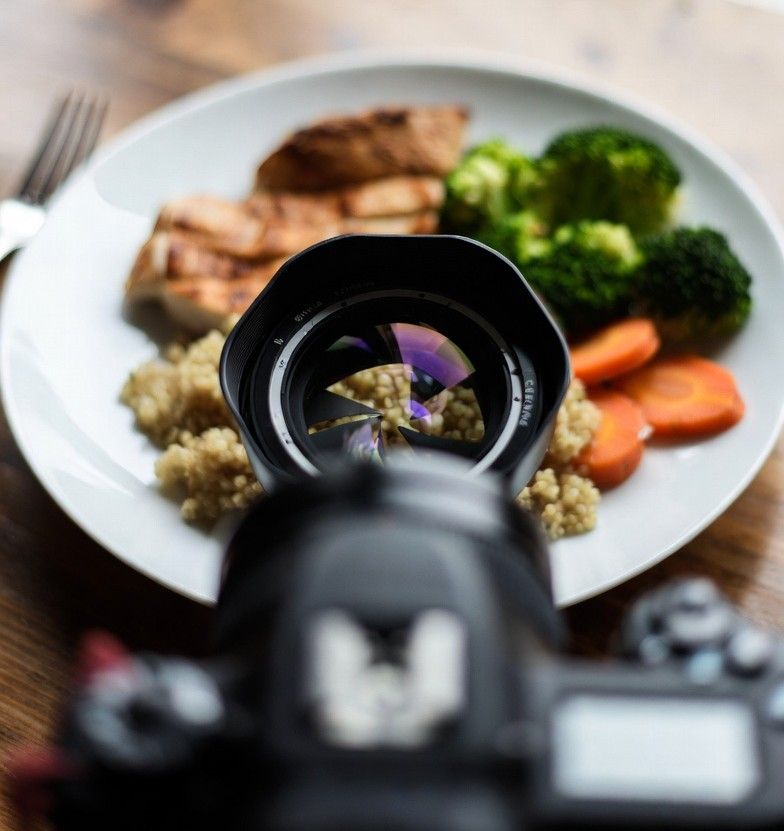
capturing healthy food for healthy weight gain

Nearly 46 percent of American teens report that social media makes them feel worse about their bodies, according to a 2022 study from the Digital Wellness Lab.

In a social-media world obsessed with body image, gml apeti before-and-after photos are viral, but what should creators know? These snapshots capture dramatic changes, drawing likes and shares. Yet, they also raise questions about truth in visual tales. Creators must navigate the line between motivation and misleading views.

Photography serves as a key tool in tracking body changes linked to supplements like gml apeti. This product, containing cyproheptadine to boost appetite, helps users gain weight when paired with diet and exercise. Photos document the journey, from starting points to milestones. They turn personal progress into shareable content that resonates in fitness circles. Good lighting and angles can highlight shifts in shape and confidence. However, the real power lies in how these images build a narrative of growth over time.

The Role of Images in Transformation Journeys

Visuals do more than show results. They tell stories of effort and change. For many, snapping weekly photos keeps motivation high, underscoring the importance of capturing moments in photography. Think of influencers like Danae Mercer, who shares unfiltered looks at body positivity. Her posts reveal how poses and edits alter perceptions. In weight gain stories, photos can display fuller figures and boosted energy. Yet, the focus should stay on health, not just aesthetics.

Staging plays a big part. Creators often set up shots in consistent spots, like against a plain wall. This helps viewers see true differences. Natural light works best to avoid shadows that distort features. Some use apps to track measurements alongside images. The goal is to create a timeline that feels real and relatable.

Ethical Challenges in Sharing Photos

Ethics come into play when editing enters the scene. A quick filter might smooth skin, but heavy changes can mislead. Research from York University shows that even retouched selfies lower confidence in viewers. Creators should disclose alterations, like “lightly edited for brightness.” This builds trust and sets realistic bars.

Framing progress ethically means showing the full picture. Not every day brings gains. Including setbacks, like plateaus or side effects from supplements, adds depth. Drowsiness from cyproheptadine, a common issue, deserves mention. Avoid claims of overnight miracles. Instead, emphasize steady habits. This approach counters the pressure from idealized feeds, where 59 percent of people find beauty filters troubling, per a Consumer Reports survey.

Staging can cross lines too. Posing to exaggerate curves or flexing in “after” shots while slouching in “before” ones skews reality. Honest creators use similar outfits and stances across photos. They also note external factors, such as hydration or time of day, which affect appearance.

Tips for Honest Transformation Photography

Want to capture your journey responsibly? Start with consistency. Pick the same time weekly for photos, maybe mornings after breakfast. Use a tripod for steady angles. This reduces variables and shows genuine change.

Lighting matters a lot. Soft, even light from a window flatters without deceiving. Avoid harsh overhead bulbs that cast unflattering shadows. For quality, a simple smartphone camera suffices, but apps like Lightroom can adjust exposure naturally.

Share with care. Caption photos with details on routines, including meals and workouts. If using appetite boosters like gml apeti, mention consulting a doctor first. The FDA warns about similar products’ risks, so transparency protects followers. Add disclaimers: results vary by person.

  • Document weekly, not daily, to spot real trends.
  • Use grids or apps to overlay before-and-after for fair comparison.
  • Focus on feelings, like increased strength, alongside visuals.
  • Engage community for support, but moderate comments to curb negativity.
  • Balance posts with diverse body types to promote inclusivity.

Impact on Health and Fitness Communities

Visual narratives shape communities. Positive ones inspire action, like joining gyms or trying new recipes. A UNSW Sydney study found that body-positive content improves satisfaction in young women. Yet, skewed stories fuel dissatisfaction. High schoolers spending over two hours daily on social media face 1.6 times higher risk of body issues, notes the National Eating Disorders Association.

In fitness groups, these photos spark discussions on sustainable health. They highlight that transformation involves more than products, it’s about mindset and habits. When done right, they foster empathy and reduce stigma around weight gain goals.

Still, the ripple effect can harm if expectations soar too high. Viewers might chase quick fixes, ignoring safety. Creators hold power here. By prioritizing authenticity, they help build supportive spaces where everyone feels seen.

Wrapping Up the Visual Journey

Body transformations, especially those involving supplements like gml apeti, captivate through photos. They remind us that change is personal and varied. Creators who blend inspiration with honesty elevate the conversation. In the end, true aesthetics shine in stories that value health over hype. Let’s capture progress that uplifts, one real shot at a time.
Capturing the Moment: How Royal TV Inspires Next-Level Sports Photography

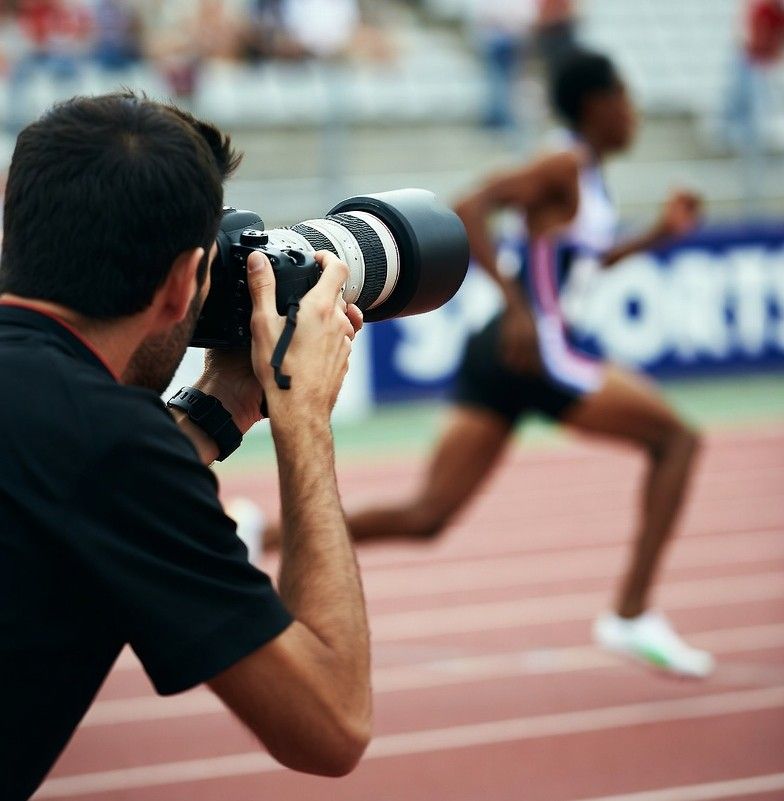
sports photographer capturing a fast‑moving athlete

Every second counts in sports photography. A runner’s foot just leaving the starting block, a pitcher’s arm at full extension, a defender flying through the air, these are the moments that define a game and make great photographs unforgettable.

For aspiring photographers, mastering timing and composition can feel like chasing lightning. That is where watching high-quality live sports can help sharpen instincts. Platforms like Sports Broadcasting (스포츠중계) bring games from the English Premier League, Major League Baseball, and the NBA right to your screen, offering endless real-time action to observe. Studying motion, replaying key frames, and anticipating peak moments can build the instincts needed for great action shots, even if you’re simply watching from home.

Stunning sports photography is anchored in two elements that both pros and enthusiasts obsess over: timing and composition. Professionals spend years honing these skills, but anyone can start developing them by watching athletes in motion. Live sports help train anticipation, teaching you how to read player movements and game flow so you recognize the build-up to that perfect instant. When you can predict the action, you are better prepared to click the shutter at exactly the right time.

Train Your Eye With Live Action

Watching live games closely is an active process. You watch pattern and rhythm. You see how a basketball player dribbles into a jump shot. You note how a footballer positions the ball for a pass. You watch the ball’s arc as a baseball hitter connects with it. These repeated visual lessons build understanding.

One way to make this practice work for photography is to pause and rewind. As a sequence unfolds, freeze the frame and study how players and objects are arranged. This is frame analysis. With each replay, you get a clearer sense of how shapes and lines work together in motion. These are the same concepts that determine strong composition in photography, where balance and tension guide the viewer’s eye around a picture.

Understand Motion and Framing

Motion can make or break a photograph. Too much blur and the image looks messy. Too little and you lose the sense of speed. By watching fast-paced sports, you can start to see how athletes move through space. This awareness builds muscle memory for choosing shutter speed and framing in your own shooting.

Replays are a gold mine. When a broadcaster shows slow motion or instant replay, you get extra time to observe the sequence. Notice how the ball travels. Notice the athletes’ limbs at each fraction of a second. Study how the camera zooms and reframes in live coverage. These decisions are instructive. They reveal what a professional broadcaster considers the most engaging angle or the most dynamic moment in a play.

Screen Captures as Practice

You can take this even further by making screen captures of key moments. Save the frames that stand out, a diving catch, a powerful sprint, a dramatic tackle. Then, review them later as you would a portfolio. Ask yourself questions about each image: Is the subject clearly visible? Does the background distract? Is there space in front of the athlete’s movement? How could the crop be tighter?

This kind of practice is valuable. It builds your visual vocabulary. You begin to “see” the decisive moment before it happens. You also start to recognize patterns and anticipate the peak of action. These insights translate directly to live shooting in the field, where you often have only one chance to get the shot.

Anticipation Translates to the Field

The rhythms of sport, the ebb and flow of play, offer repeated opportunities to practice anticipation. Skilled photographers often talk about pre‑visualization, imagining the image before it unfolds. Watching games helps train that skill, because you become familiar with how actions build into climaxes.

Next time you tune into a match, treat it like a training session. Look beyond the score and immerse yourself in the motion. Pay attention to where the players are heading and where the peak moment will land. Analyze how different camera angles change the feel of the play. With time, this active viewing translates into instinctive anticipation behind your own lens.

Conclusion

Sports photography is about storytelling. A great photo tells a story without words. It conveys tension, triumph, struggle, and grace. Watching live sports gives you an endless library of stories in motion. By observing timing, motion, and framing at work, you build the sense of drama and rhythm that makes your own images resonate. Platforms like Sports Broadcasting can help turn passive viewing into active learning and feed your curiosity about when and how to press the shutter.

When you step back into the real world with a camera in hand, you will see action differently. You will see the cues that precede great moments. You will find yourself ready to capture them. And that is how watching live sports can inspire next-level sports photography, even from your couch. With each game you watch and each frame you study, you get closer to capturing the moment in sports photography yourself, because you have learned to see it before it happens through consistent practice and active observation on screen, and with Sports Broadcasting as a resource, you are always just a click away from your next lesson.