
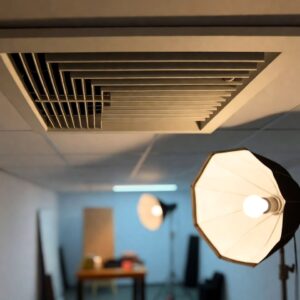
 Temperature and humidity can make or break a photography session. A studio that is too warm can cause discomfort, while one that is too cold may affect lighting balance and equipment performance. Photographers know that light behaves differently depending on air density and moisture. This is where a reliable HVAC setup becomes essential for maintaining consistent shooting conditions and protecting valuable gear.
Professional HVAC guidance can make a huge difference, especially for photographers working in enclosed or custom-built studios. With services from BPM, an HVAC company in Frederick, Maryland, it becomes easier to manage indoor temperature, control moisture, and create a comfortable environment for both photographers and their clients. The right system doesn’t just improve comfort, it safeguards delicate equipment from costly damage.
“A photograph captures a moment, but a perfect studio captures the light just right.”
1. Maintain a Steady Temperature
Fluctuating temperatures can harm both electronics and creative output. Cameras and lenses often contain precision parts that react to heat and cold. A stable temperature helps maintain focus accuracy and prevents condensation from forming on glass surfaces. Aim for a consistent indoor temperature between 68°F and 72°F to keep conditions optimal.
2. Manage Humidity Levels
Too much humidity can spell disaster for photography gear. Moisture leads to mold growth on lenses, corrosion of metal parts, and fogging issues that affect shot clarity. Dehumidifiers or built-in HVAC humidity control systems can help maintain an ideal humidity level of around 45 percent, protecting both equipment and artwork.
3. Ensure Proper Airflow
Good airflow is key to consistent lighting and comfort. Poor air circulation can create hot spots or uneven cooling, which can affect how lighting behaves in a studio. Properly placed vents and diffusers help maintain even air distribution, ensuring the light temperature stays constant across the entire space.
4. Choose Energy-Efficient Systems
Energy-efficient HVAC systems are a long-term investment for photographers. They help regulate temperature and humidity while keeping energy bills manageable. Look for ENERGY STAR-rated models that offer programmable thermostats and zoning options to customize temperature settings for different studio areas.
5. Schedule Regular Maintenance
Even the best HVAC systems need regular check-ups. Dust, dirt, and clogged filters can reduce efficiency and impact air quality. Regular maintenance ensures your system performs at its best and prevents unexpected breakdowns during important photoshoots. Many professional photographers schedule biannual maintenance to avoid last-minute disruptions.
6. Pay Attention to Noise Levels
HVAC noise can interfere with recordings or distract during a shoot. Sound-sensitive environments need systems that operate quietly. When choosing an HVAC setup, prioritize models with low decibel ratings or sound-dampening technology. Proper duct insulation can also minimize background hums that microphones might pick up during video sessions.
7. Integrate Smart Controls
Smart thermostats can give you better control over your studio climate. They allow you to adjust settings remotely and maintain ideal conditions even before you arrive. This means less downtime waiting for the room to reach a comfortable level, giving you more time to focus on composition and creativity.
8. Partner with Reliable HVAC Experts
Finding a trusted HVAC partner can make studio management effortless. A professional service provider like BPM understands how small temperature shifts can affect both people and equipment. Their expertise helps design systems that maintain balance between cooling, heating, and air circulation, tailored specifically for creative spaces.
Related: Before setting up your HVAC system, it’s worth exploring key considerations when starting a photo studio to ensure your space supports both creativity and technical needs.
Final Thoughts
Creating the perfect studio environment goes beyond lighting and lens selection. It is about building a space where every technical detail supports artistic excellence. With the right system and support from an HVAC company photographers can protect their investment, improve comfort, and achieve consistency in every shoot. A well-regulated studio climate can truly be the difference between a good photo and a great one.