
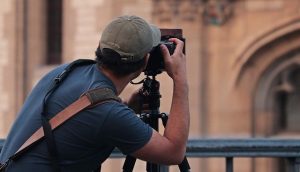
To amateur photographers, catching a great photo can look easy: just aim and shoot. But anyone who’s attempted to learn how to capture expert photos knows that it does not stop there.
From picking the best subject and establishing up a great combination to discovering the best light, it demands a lot of thought to take a great photo.
If you want to take your photography to a higher level, below are some suggestions to help you study how to take great photos. Once you get a hang of these essential pro methods, it should greatly advance your outputs.
The most enjoyable part about understanding how to take high-quality photos? It leads to new possibilities
Master the Essentials of Composition
Choose a Powerful Focal Spot
Utilize Leading Lines
These are line shapes in your shot that can help the observer’s eyes to only focus on the subject. They can be anything that produces a line in your photos, such as roads, walls, structures, large hallways, trees, or obscurations.
The secret is using them to get a spectator’s attention where you prefer it to go. That can incorporate having their eyes straight to your subject, or directing them a kind of optical journey in your organization.
Frame Your Shot
Framing is another method that is truly helpful in taking professional photos. It includes looking for something that can act as a normal frame for your composition and then capturing so your focal is inside it. A few examples of these include a doorway, an entrance, some foliage, or a crack in a wall. This kind of framing can help guide the viewer’s awareness to your main point.