
Hiring Home Cleaning Services by Cleansy can Help Create a Better Photo Studio

A memorable photograph depends on more than a skilled photographer and a high-quality camera. While lighting setups, camera settings, and artistic direction often receive the most attention, the cleanliness of the studio is equally important. Dust, fingerprints, clutter, and smudges can interfere with equipment, distract subjects, and even appear in the final images. Professional cleaners just like home cleaning services by Cleansy play a valuable role in helping photo studios maintain spaces that are ready for every session.

By keeping floors spotless, backdrops free from dust, mirrors streak-free, and workspaces sanitized, they help photographers focus on capturing great images instead of solving preventable problems. Whether the studio specializes in portraits, fashion, commercial products, or family photography, a clean environment contributes to smoother operations and higher-quality results.

A Clean Studio Supports Better Photography

Photography is built on detail. High-resolution cameras capture every texture, reflection, and imperfection within a scene. Even tiny particles of dust that go unnoticed by the human eye can become visible under powerful studio lighting.

Professional cleaning helps reduce these distractions by maintaining every part of the shooting environment. Floors remain free of dirt that could be tracked onto sets, while windows and mirrors stay clear of streaks that might interfere with lighting or reflections. Common areas that benefit from routine professional cleaning include:

  • Photography backdrops
  • Studio floors
  • Reception areas
  • Makeup stations
  • Dressing rooms
  • Mirrors and glass surfaces
  • Furniture and props

By keeping them clean, it promotes cleaner visuals enabling photographers to focus on their craft and less time correcting avoidable flaws during editing.

Protecting Valuable Equipment from Dust and Debris

Photography equipment represents a significant investment. Cameras, lenses, lighting systems, computers, monitors, and editing stations all perform best when kept in clean surroundings.

Dust is one of the biggest challenges in any studio environment. It can settle on lenses, image sensors, light modifiers, tripods, and electronic equipment over time. Although photographers regularly clean their gear, minimizing dust within the studio reduces the frequency of maintenance and lowers the risk of contamination during equipment changes.

Professional cleaners help by reducing airborne dust through thorough cleaning techniques that include vacuuming, dust removal, and floor maintenance. Clean carpets, furniture, and ventilation areas also contribute to better indoor air quality, reducing the amount of debris circulating throughout the workspace.

A cleaner environment helps preserve expensive equipment while supporting consistent photographic performance.

Better Lighting Begins with Cleaner Spaces

From softboxes, reflectors, mirrors, and diffusers, they all rely on clean surfaces to produce predictable and consistent lighting.

Dirty walls, dusty ceilings, or smudged reflectors can subtly affect how light behaves inside the studio. Even fingerprints on mirrors or glass surfaces may introduce unwanted reflections that complicate a shoot.

Professional cleaners help maintain optimal lighting conditions by ensuring that reflective surfaces remain clean and free from residue. Regular cleaning also helps preserve white walls, seamless backgrounds, and studio ceilings that contribute to accurate light distribution.

This attention to cleanliness allows photographers to spend more time refining creative lighting techniques instead of correcting environmental distractions.

Creating a Comfortable Experience for Clients

Photography is often a collaborative experience involving clients, models, stylists, makeup artists, assistants, and production teams. The condition of the studio influences not only the quality of the images but also the overall experience of everyone involved.

A clean reception area creates a positive first impression, while organized workspaces help projects run more efficiently. Sanitized dressing rooms, fresh seating areas, and tidy makeup stations demonstrate professionalism and attention to detail.

Professional cleaning also contributes to a healthier indoor environment by reducing dust, allergens, and bacteria on frequently touched surfaces. This creates a more comfortable atmosphere for clients who may spend several hours inside the studio during extended photo sessions.

When visitors feel comfortable and confident in the environment, they are often more relaxed in front of the camera, which can lead to more natural and expressive photographs.

Saving Time during Production and Post-Processing

Every photographer understands that editing can be one of the most time-consuming stages of a project. Dust spots, dirty floors, background imperfections, and unwanted clutter frequently require digital correction during post-production.

While image editing software can remove many of these issues, preventing them in the first place is far more efficient.

Professional cleaners help streamline production by ensuring that studios remain consistently ready for use. Clean backgrounds reduce retouching work, organized spaces improve workflow, and sanitized workstations allow creative teams to move efficiently between setups.

Regular professional cleaning also supports better organization by reducing clutter, keeping storage areas orderly, and maintaining equipment spaces that are easier to navigate during busy production schedules.

As a result, photographers can devote more time to creativity, client interaction, and image refinement rather than correcting avoidable environmental issues.

Excellent Photo Studio is the Culmination of All Elements

Great photography depends on countless details working together. While cameras, lighting, and artistic vision remain central to every successful photo shoot, the condition of the studio itself has a significant impact on both the creative process and the final results.

Professional cleaners contribute by maintaining dust-free floors, spotless backdrops, clean mirrors, sanitized workspaces, and organized environments that support efficient production. Their work helps protect valuable equipment, improve lighting performance, reduce editing time, and create a welcoming atmosphere for clients and creative teams alike.

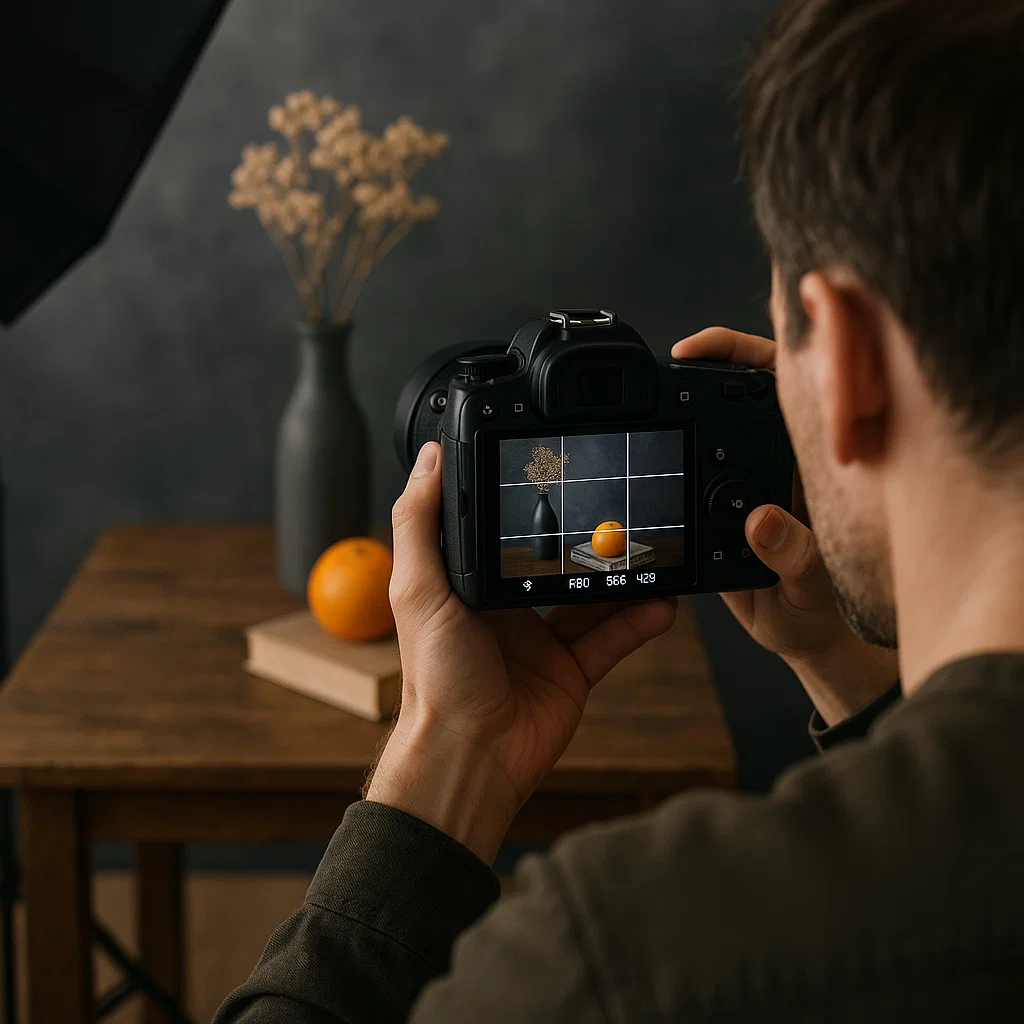
Elevate Your Photography Game as You Order Followers in Instagram

Many individuals and businesses explore various strategies to order followers Instagram. The desire for a larger audience often stems from a wish to amplify their message, increase visibility, or enhance social proof. While the motivations behind wanting to order followers are varied, the pursuit of a more impactful online presence is a common thread. Building a strong and engaged Instagram following organically often takes time and consistent effort.

Understanding the Significance of Visual Appeal

Regardless of the methods employed to grow an Instagram presence, visually appealing content is paramount. In photography, a key factor to come up with creative and engaging visuals all lies in the angle that the subject was taken.

The angle can dramatically alter the viewer’s perception of a subject, adding depth, interest, and a unique perspective to an otherwise ordinary scene. Experimenting with different angles is a fundamental technique for photographers of all levels.

Exploring High-Angle Shots

A good example is by taking high-angle shots. This requires the camera to be positioned above the subject, while looking down. With this point-of-view, it makes the subject look smaller, and more vulnerable, opening up more emotions in the process.

High-angle shots are often used to provide an overview of a scene, showcasing the layout or context. For instance, photographing a crowd from an elevated position can emphasize its size and scale. Similarly, capturing a landscape from a high vantage point can reveal the vastness and beauty of the environment. In portraiture, a slight high angle can sometimes make the subject’s eyes appear larger and create a more flattering composition.

Impact of Low-Angle Perspectives

Conversely, a low-angle shot involves positioning the camera below the subject, looking up. In this angle, it makes the subject look more dominant, and bigger.

These shots are perfect for creating a sense of awe or emphasizing the grandeur and height of the subject. Same reason why this technique is frequently used to shoot tall buildings, statutes, etc.

When photographing objects, a low angle can highlight their shape and form in an interesting way, drawing the viewer’s eye upward.

Neutral Eye-Level Shot

As the name suggests, the camera is positioned as the same height as the subject. This is often considered the most natural and objective perspective, as it mimics how we typically view the world around us. If you want to establish connection, and intimacy to your subject, this is the best shot to take. They are also commonly used in documentary photography and filmmaking to provide a straightforward and unbiased view of events.

While seemingly simple, mastering eye-level composition is crucial for establishing a baseline and understanding how different angles can deviate from this natural perspective to create specific effects.

Utilizing Different Vertical Angles

Shooting vertically versus horizontally can also significantly impact the composition and the message of a photograph. Vertical shots are often well-suited for portrait photography, as they naturally accommodate the human form. They can also emphasize height and vertical lines within a scene, such as trees or skyscrapers. Horizontal shots, on the other hand, are often preferred for landscapes, as they capture a wider field of view and emphasize breadth and horizontal lines.

Understanding when to use a vertical versus a horizontal orientation is an important aspect of photographic composition that can greatly influence the final image.

Using Grid Systems for Perfect Photography Composition like Awning Structural Design

Grid systems represent fundamental tools in photography composition help photographers create balanced, visually appealing images. Professional photographers rely on various grid patterns including the rule of thirds, golden ratio, and symmetrical grids. These elements are used to guide composition decisions that enhance visual impact and viewer engagement. Similar to an awning installation, it requires precise grid measurements and structural calculations. Through this, it guarantees proper support, weather resistance, and visual harmony with existing architecture

Following these installation procedures demonstrate how systematic approaches to design and placement create superior results. Grid-based planning in both photography and architectural elements like awnings ensures that creative vision translates into technically sound and visually pleasing final products.

Rule of Thirds Grid Application

The rule of thirds divides the camera frame into nine equal sections using two horizontal and two vertical lines. Thus, creating intersection points that naturally draw viewer attention and create dynamic composition.

Landscape and Portrait Benefits

Placing important subjects along these grid lines or at intersection points creates more engaging photographs than centering subjects in the frame. This grid system works particularly well for landscape photography where horizons align with horizontal grid lines and prominent features occupy intersection points.

Portrait photography also benefits from rule of thirds placement by positioning eyes along upper grid lines and using vertical lines to guide body positioning that creates natural and comfortable compositions.

Advanced Grid Systems and Creative Applications

Professional photographers utilize more complex grid systems including the golden ratio spiral, diagonal grids, and geometric patterns. As a result, it creates sophisticated compositional structures for artistic and commercial photography.

The golden ratio grid provides mathematically pleasing proportions that create natural visual flow and harmony in photographs. In the same process, it guides viewer attention through planned visual paths. Symmetrical grids work effectively for architectural and product photography where precise alignment and balance create professional results that emphasize geometric relationships and structural elements.

Digital Tools and Grid Implementation

Modern cameras and smartphone photography applications include built-in grid overlays that help photographers visualize compositional guidelines while shooting. Post-processing software provides additional grid tools for cropping and composition refinement allowing photographers to optimize images after capture.

Digital photography workflows increasingly incorporate grid-based analysis tools that evaluate composition strength and suggest improvements based on established compositional principles.

Packing Luggage for a Photography Trip

Are you planning a photography trip soon? How about a photo safari, photo walk, or photo trek? Now that you have decided on the type of photography trip you will be taking, it is time to start packing for your trip. 

Plan Your Packing Schedule

This may seem obvious, but the first step in packing for a trip is to plan your packing schedule. You may want to plan for the upcoming trip on a calendar or with a packing checklist. This will help you to stay on track and avoid the last-minute stress of trying to get everything ready. 

You will also have a more organized packing schedule if you have everything laid out on a calendar. This will allow you to cross off items on your list as you get them packed, which will help you to stay on track during your packing schedule.

Camera Equipment to Pack

You will want to carefully pack your camera equipment so that it does not get damaged. 

You will also want to make sure that the equipment is easy to find when you need it. Many photographers will keep their camera equipment in a camera bag. 

This will help to keep the equipment protected. You can also use a camera strap to carry your camera on your shoulder. This will make it easier to carry your camera bag on your shoulder when you are walking around. If you’re traveling by land, know some heavy duty towing companies along the way. Through this, if your car broke down, you know who to call and have your car fixed and get back on schedule.

Travel Essentials

Depending on what type of photography trip you are taking, you may need some additional items. You will want to make sure that you have enough clothing and toiletries for the trip. Even if you are only traveling for a few days, you may want to bring a few extra items in case you spill something or get caught in bad weather. 

You may want to bring a travel charger for your devices. This will allow you to charge your devices even if the outlets are different or if there is no electricity. You may want to bring a travel pillow for long flights or a sleep mask for long car rides. These items can help you to rest more comfortably on your trip.

Practicing Resourcefulness as a Student

As a student, you might feel under pressure to work as hard as possible and always come up with fresh ideas and new ideas for your assignments. This could be about designing a new anime merch for your assignment or perhaps for the side hustle that you’re doing.

The problem is, this can take a toll on your mental health and make you feel like you’re not able to think of creative solutions for your assignments. 

Being Resourceful as a Photography Student

Sometimes, you might feel like you don’t have enough resources to complete your assignments. That being said, you can stay positive and keep a positive attitude as a photographer no matter how difficult your assignments might seem. Here are some helpful tips for being more resourceful as a photography student.

Learn how to Use Tools Effectively

If you’re in school and you want to be more resourceful, then you should learn how to use your tools effectively. It can be easy to feel overwhelmed when you’re trying to complete assignments in school. In addition, you might feel like you don’t want to ask for help because you feel like you should be able to do everything. 

But, you need to realize that you aren’t your own resources and that other students can help you complete your assignments. The key is to let them know that you need help so that they can share the workload and make sure that you have the time to complete your assignments.

Set up Meetings with other Students

Another great tip for being more resourceful as a student is to set up meetings with other students. You can set up meetings in person or online. When setting up a meeting, you can share your assignments with other students so that they can see the type of work you do and can get an idea of what type of assignment you might need help with.  

Some programs will even set up meetings for you. In these meetings, you can hand in your assignments and receive help from other students. You can also receive feedback from the program administrators so that you can make improvements as a student.

How to Choose the Perfect Photo Album for Your Photographs?

When it comes to photography, there are a few things you always want to keep in mind especially if you are thinking of this as one of the gifts for dad. The first is the quality of your pictures. You don’t want to take low-quality pictures that will show through in your album. Second, you want to make sure that your album has a variety of pictures. This way, you can show off different moments in your life and how they related to each other. And finally, you want your album to be visually appealing.

What is the Purpose of Your Album?

The purpose of your album is to show off different moments in your life and how they related to each other. It could be a photo album for your wedding photos, or a photo album for your new job. The important thing is that the album has a variety of pictures so that you can show off different moments in your life and how they related to each other.

How many Pictures should You have in Your Album?

You should have at least five pictures in your album. This way, you can show off different moments in your life and how they relate to each other. Additionally, it’s important to have a mix of different types of pictures.

Which Photo Slideshows should You include in Your Album?

You should include a variety of different photo slideshows in your album. This way, you can show off different moments in your life and how they related to each other.

Additionally, you can show off different parts of your life that are important to you and how they relate to each other. Different photo slideshows will make your album look interesting and inviting.

What Type of Photos should You Choose to Use in your Album?

There are a few different types of photos you can use in your album. You can use pictures of people, places, things, or anything that relates to your photograph. You can also use pictures that are professional in quality. And finally, you want to make sure that your album is visually appealing. So the type of photos you choose should be something that will make your album look great.

Clearer and Crisper Twitch Streams by Understanding Camera Pixels

A Twitch viewer bot is what you would get when you buy Twitch viewers to watch you stream your gameplay. Using this analogy in cameras, the megapixels are the ones that are used in arranging RGBs into their rightful place to create that colorized image or video you shoot. This is pretty useful actually when you are streaming. As most people know, the higher the megapixel of a certain device, the clearer, and crispier the result will be.

How are a Camera’s Megapixels would affect Your Twitch Stream?

Just as with your viewers, megapixels are measuring the quantity, not the quality of audience you have. You are going to need certain megapixels which all depend on how you are planning to share a video or photo. But as the number of audience in a stream does not say a lot about its quality or viewing times, the number of camera’s pixels does not say a lot about its output quality.

Quality is quite complex in the world of photography. This is entirely a combination of the image sensor, design, optics, engineering, firmware, and of course, the pixel of the camera itself. But ironically enough, it does not include the megapixel count. At the very core of a camera lies the image sensor where it has a wide range of pixels.

Camera’s Image Sensors

There are varying sizes for the image sensors of a camera. Cameras with bigger sensors tend to have bigger pixels and carry more photons on every pixel. This creates a cleaner look with less grain or noise in the photo. More often than not, it delivers finer distinction between shadows and highlights.

What Pixel?

To have a basic idea of the sensor size of a camera, simply look at the lens diameter. Usually, smartphones with 8 megapixels have 8 million pixels packed in a minuscule sensor that’s just the same size as baby aspirin tablet. However, 8-megapixel compact camera with a bigger sensor is almost the same size as a pinky fingernail. Having said that, every individual pixel is deeper and bigger.

This enables it to gather more light without spilling over to its adjacent pixels. This is why the result generated by an 8-megapixel smartphone and camera has significantly different results.